
Laboratories
The Address of the Section of Laboratories UNIAGRARIA, is a key part to the support and strengthening of the processes of academic, research and extension of the different programs of the Institution.
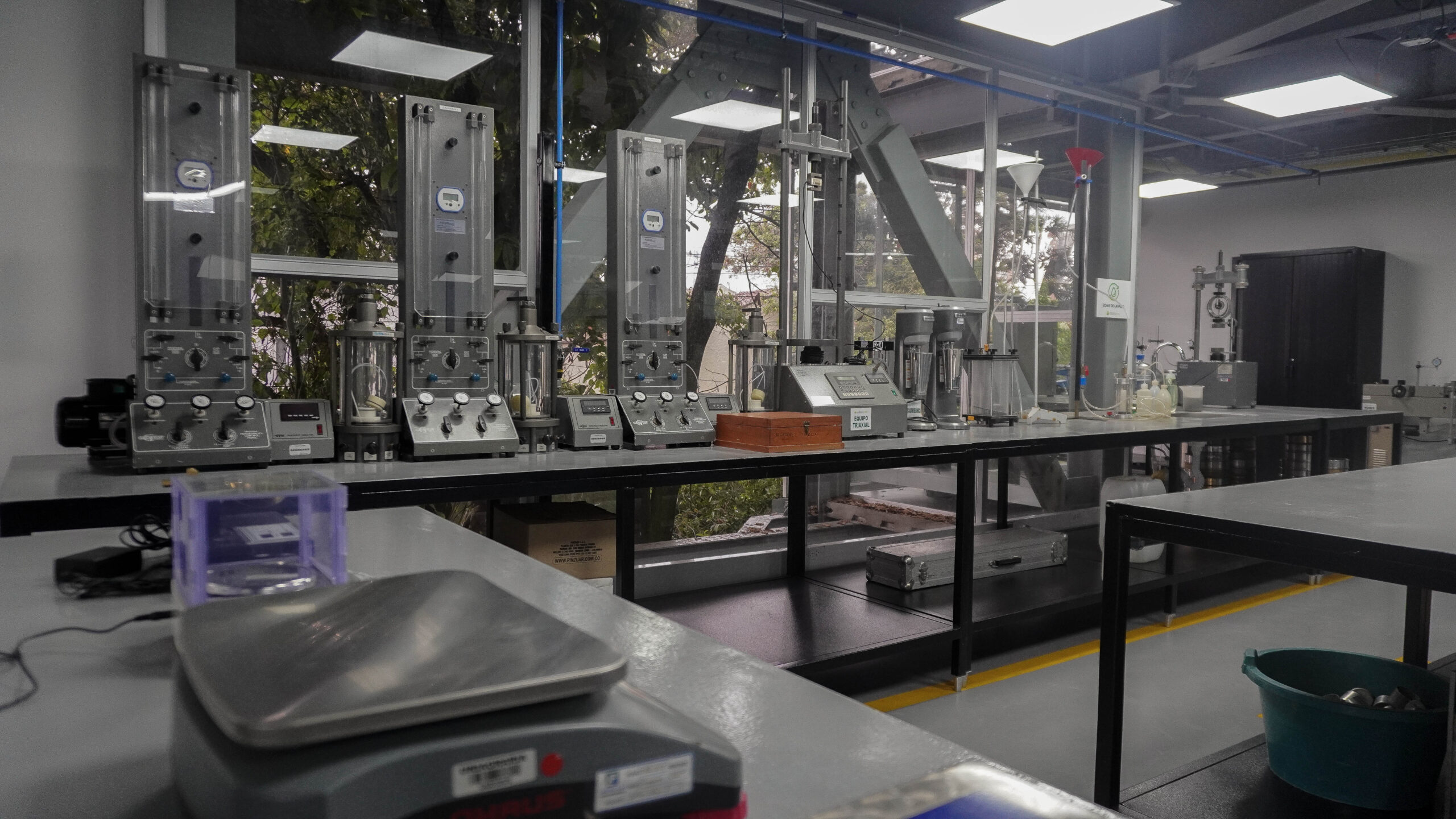
UNIAGRARIA offers to the academic community with its laboratories conditioned spaces with platforms, high technology, materials and supplies of high-quality and qualified human resources, all necessary for the exercise of the teaching, research and extension. In keeping with global trends of integration of research networks, computers, inter - and multidisciplinary, the presence of a single Block of Laboratories facilitates collaborative work.
UNIAGRARIA is in the process of accreditation for the Laboratory of research and development, Metrology, which ensures the reliability of their results, and in this way, resulting in the leadership of the institution in the region and the country, complying with one of the institutional purposes, such as the Social Responsibility.
For UNIAGRARIA the model of management of the laboratories must meet the dynamic demand of the Development Plan of the year 2025 and we opt to strengthen the union between the academy and the administrative side, making the strengthening and provision of infrastructure to service the needs of academic, research and extension. UNIAGRARIA currently have the 30 laboratories distributed in three locations with laboratories of basic science, expertise and research in the field of action, ideal for the projection and development of the skills of the students, together with the integration of interdisciplinary teams.

Teaching
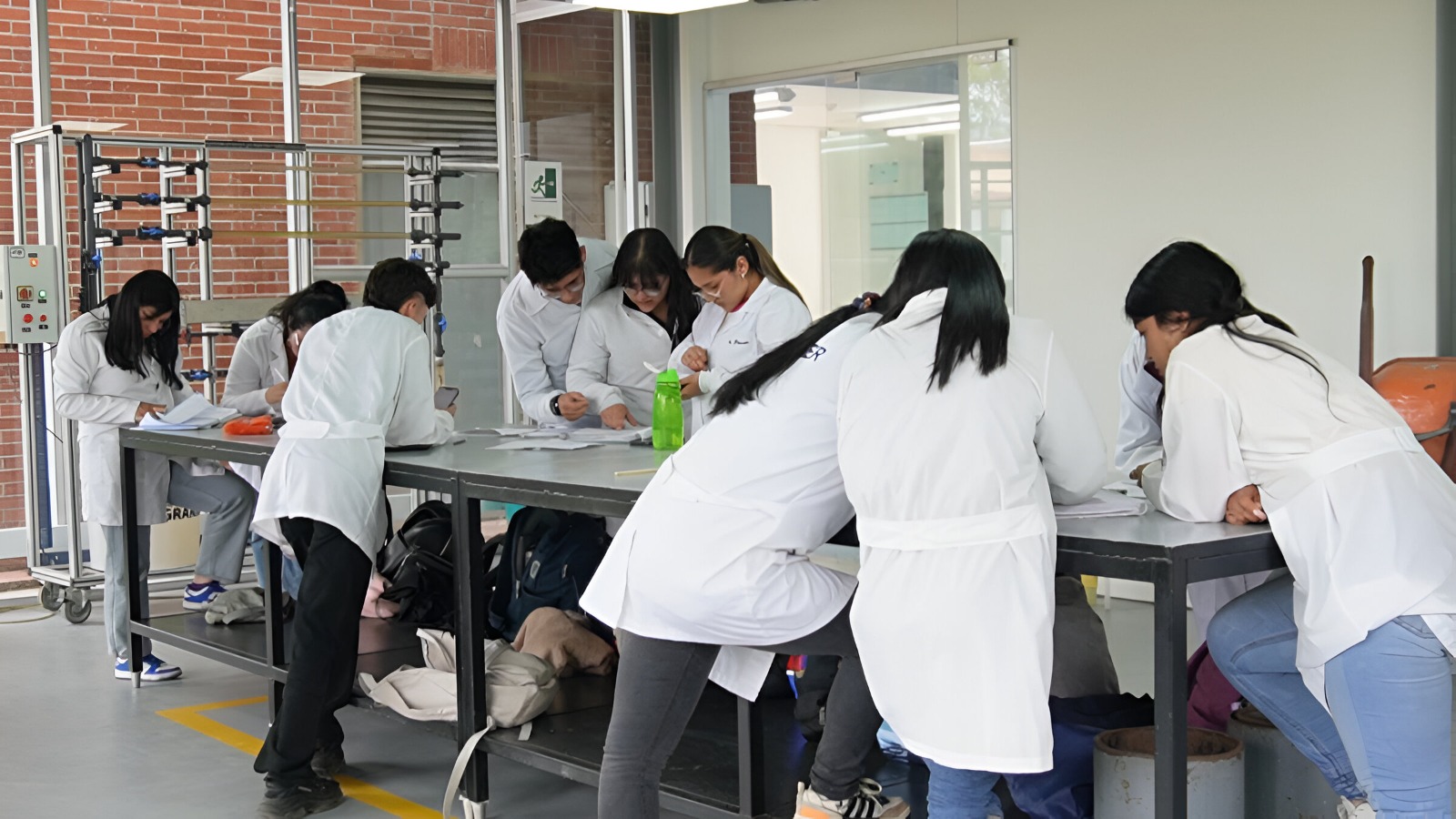
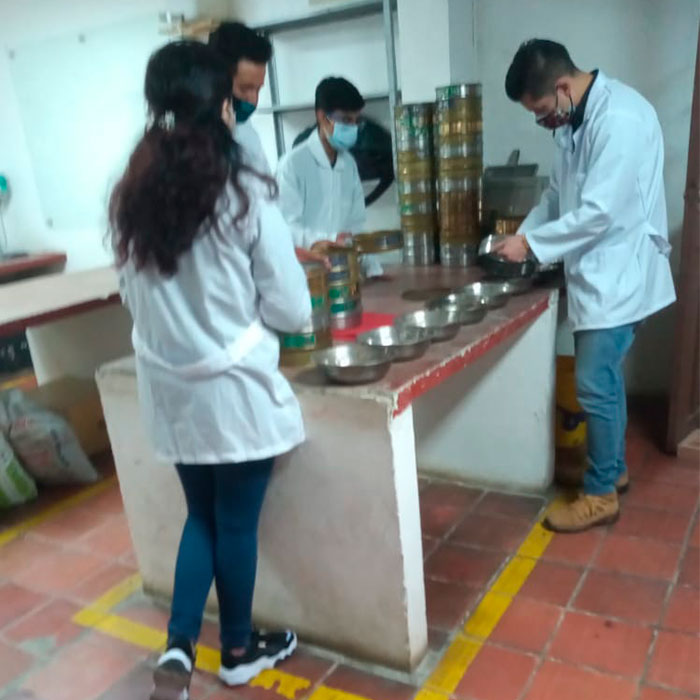
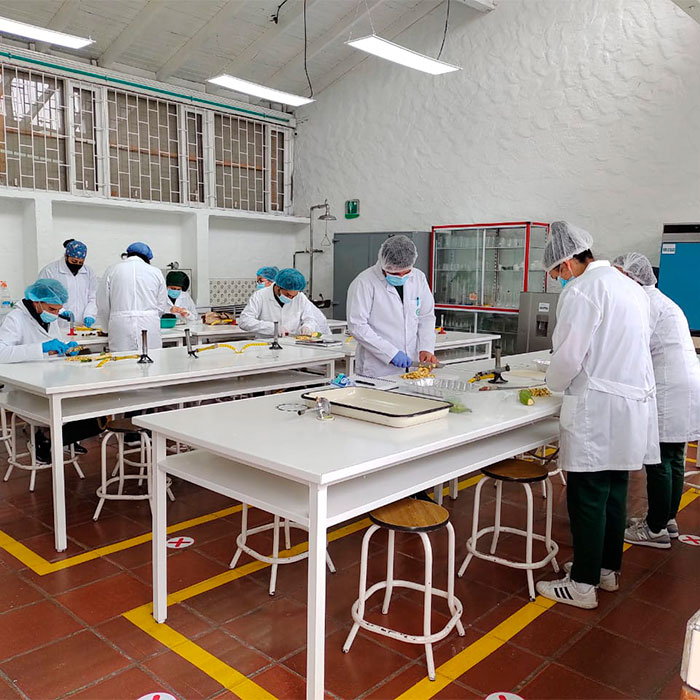
The section of laboratories, in coordination with the vice-principal of training, has as a priority to teaching, for which a semi-annual program all the practices of laboratories, which support the various courses of each of the academic programs.
Ensures the facility, and physical infrastructure suitable, the proper functioning of their equipment with the support of trained and competent staff, who attends every one of the requirements of its users.
Research
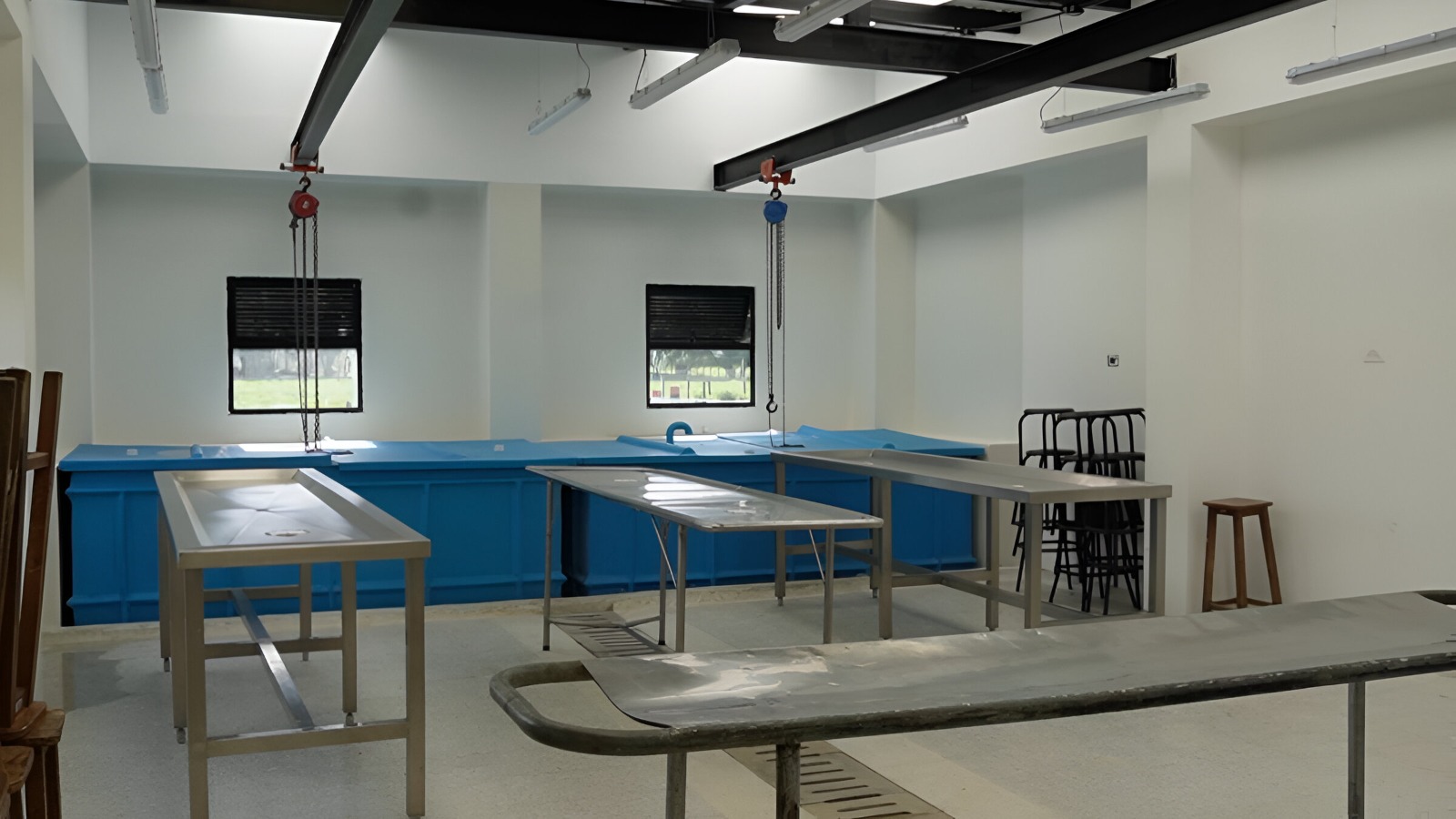
The section of laboratories, in coordination with the vice-principal of training, has as a priority to teaching, for which a semi-annual program all the practices of laboratories, which support the various courses of each of the academic programs.
Ensures the facility, and physical infrastructure suitable, the proper functioning of their equipment with the support of trained and competent staff, who attends every one of the requirements of its users.
Extension
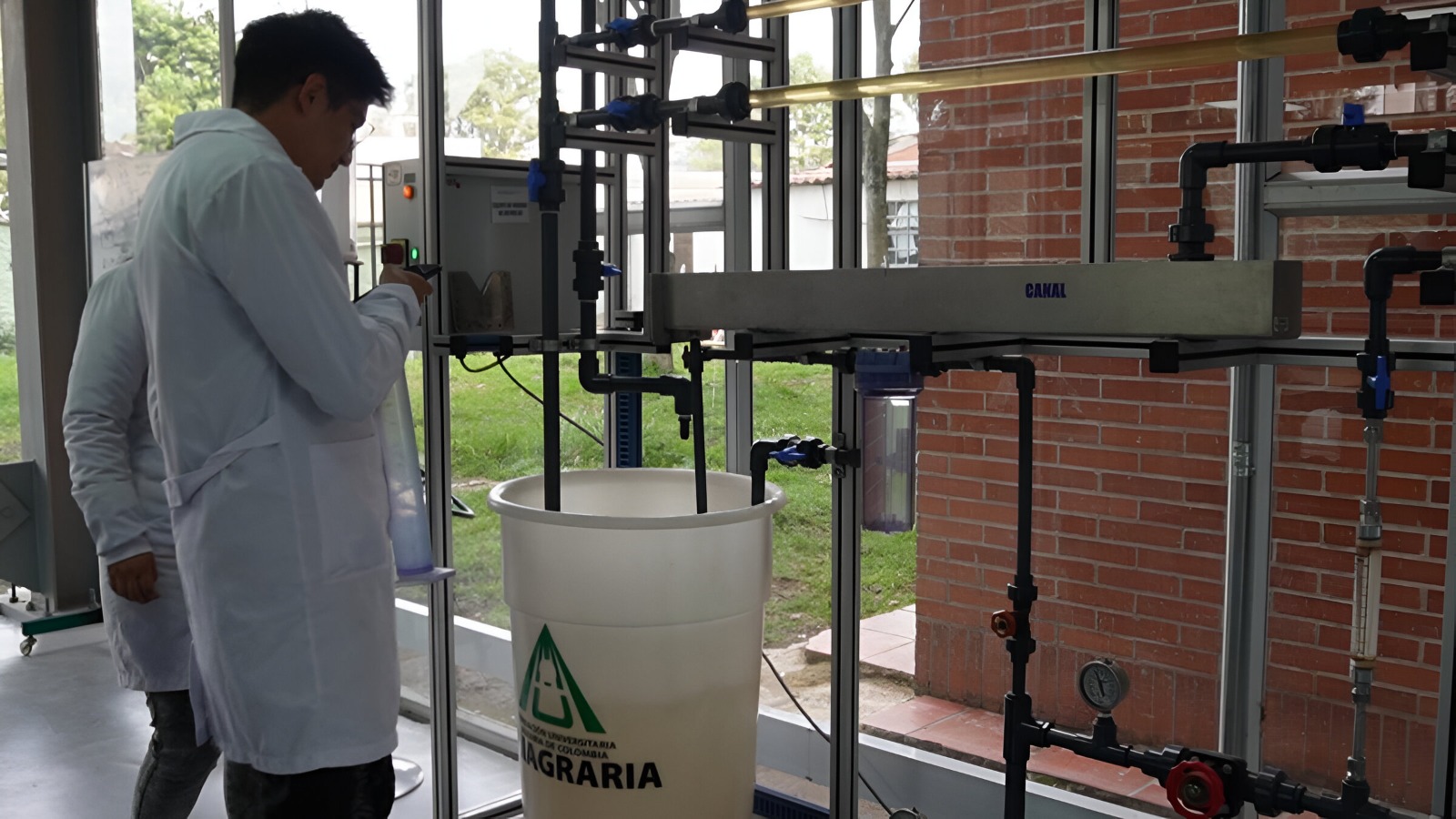
The section of laboratories in coordination with the office of extension and outreach, provides counseling and support to entities external to the institution, in aspects related to the acquisition and development of technologies and products that have application to the solution of social needs and are characterized by having low environmental impact.
Ensures the facility, and physical infrastructure suitable, the proper functioning of their equipment with the support of trained and competent staff, who attends every one of the requirements of its users.
Internationalization
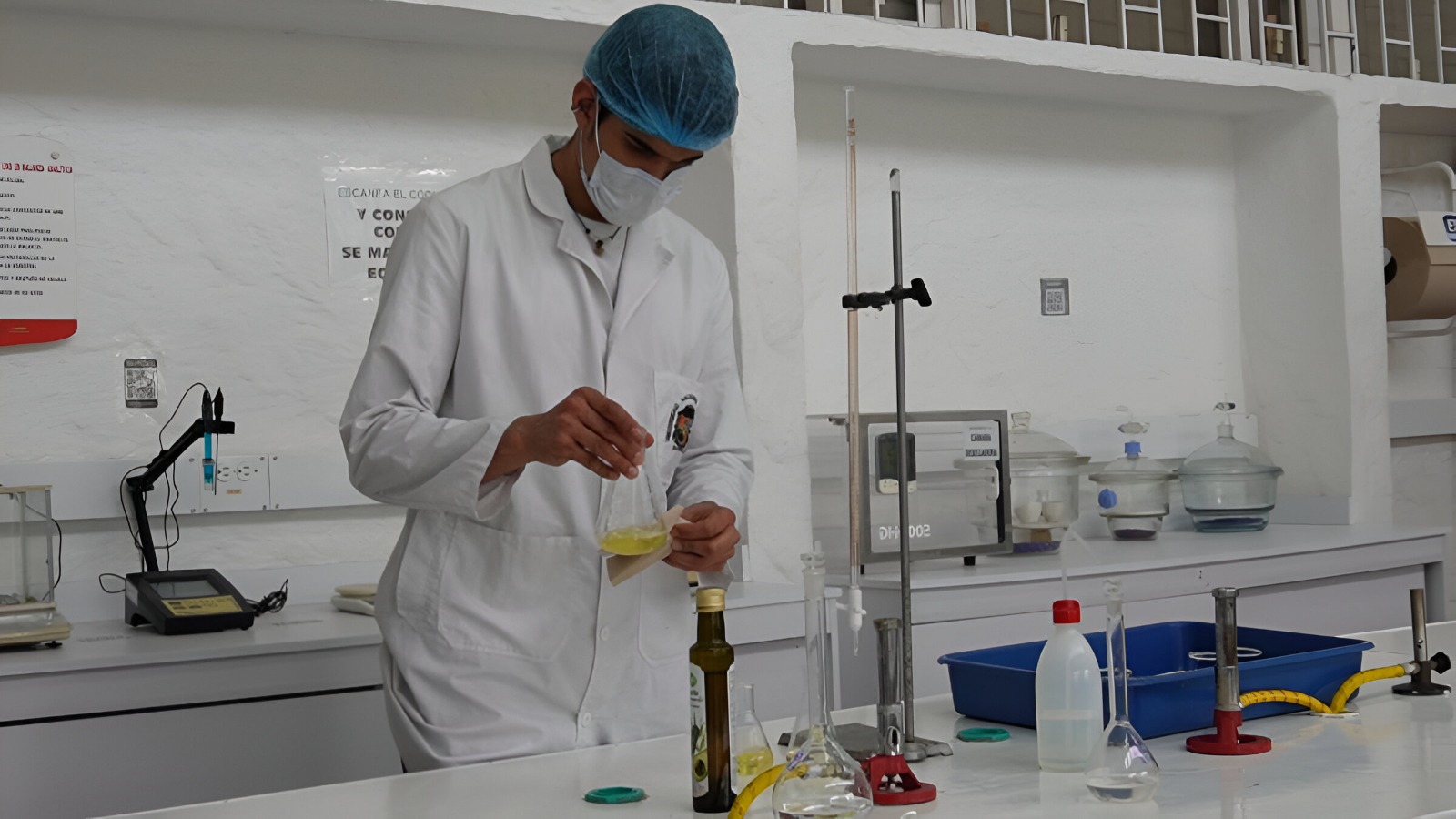
The section of laboratories in coordination with the office of internationalization provides support to exchange students in research projects, undergraduate thesis, master's, and doctoral.
Ensures the facility, and physical infrastructure suitable, the proper functioning of their equipment with the support of trained and competent staff, who attends every one of the requirements of its users.
Mission
The section of laboratories Uniagraria supports with a commitment to academic programs, by a qualified service that articulates with the training process. Maintaining a solid infrastructure, with the support of computers and high-tech instruments and assisted by trained staff, excellent quality of human, technical and professional.
Vision
Uniagraria consolidated laboratories as spaces open to experimentation and research, to achieve recognition in the field of science, technology and human through the improvement of the services it provides to the community and to support the development of the activities of teaching, research and extension, which will be recognized in the academic environment for its level appropriate technological and human talent motivated for the development of the activities of teaching, research and extension.
Policy
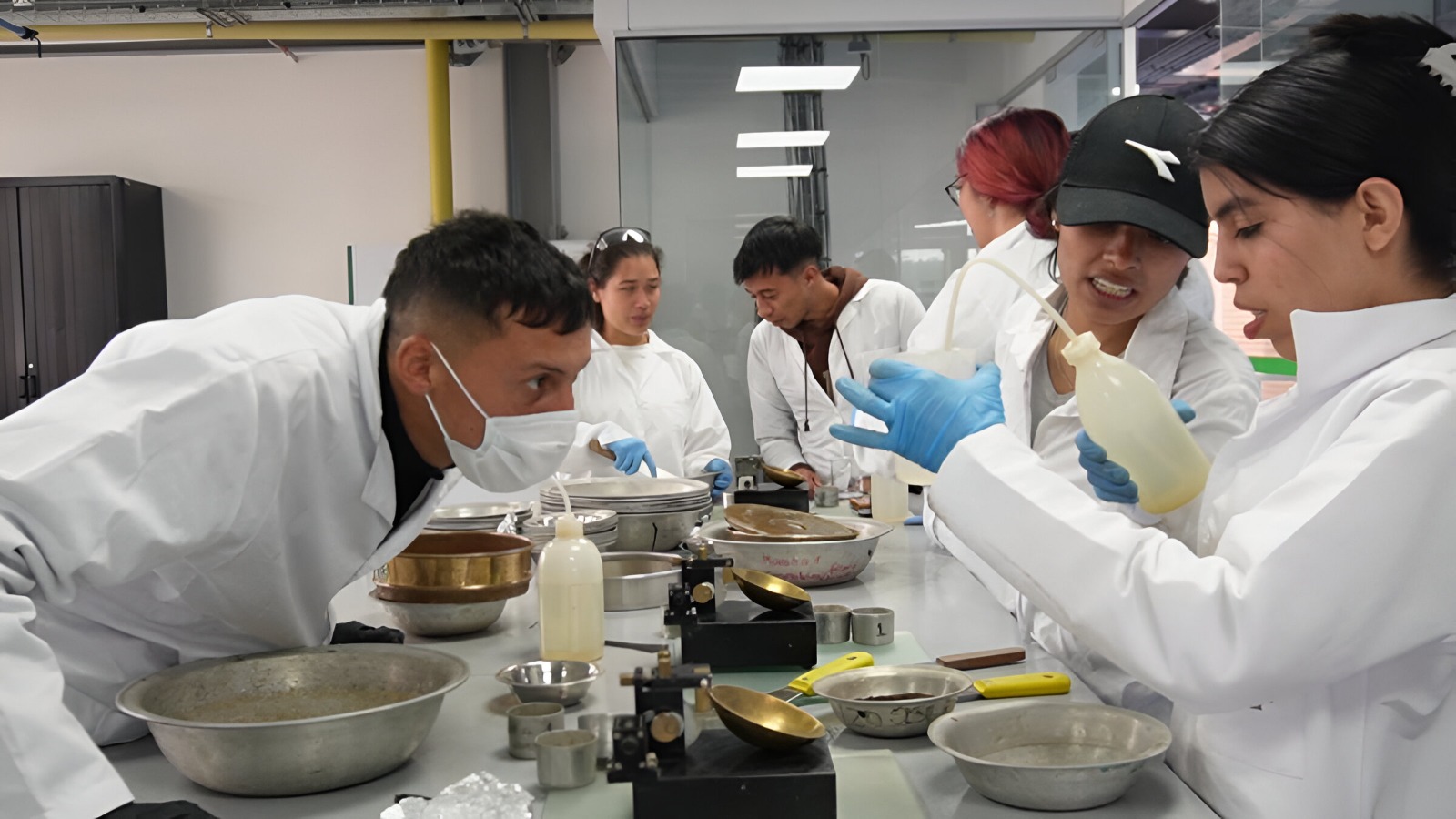
Uniagraria consolidated laboratories as spaces open to experimentation and research, to achieve recognition in the field of science, technology and human through the improvement of the services it provides to the community and to support the development of the activities of teaching, research and extension, which will be recognized in the academic environment for its level appropriate technological and human talent motivated for the development of the activities of teaching, research and extension.
Objectives
- To provide users with learning environments and work safe and suitable.
- Maintain appropriate technology in equipment, techniques for testing and materials for users to have the tools necessary for a good development within the practice.
Standards and communications
Manual for the use of the Laboratories of Basic Sciences
Press release for the provision of Institutional services to its Alumni
Procedure for the realization of Academic visits to Laboratories
Procedure for application of materials and supplies to the practices and Academic Research
Laboratory of Biological Sciences (Location block E)
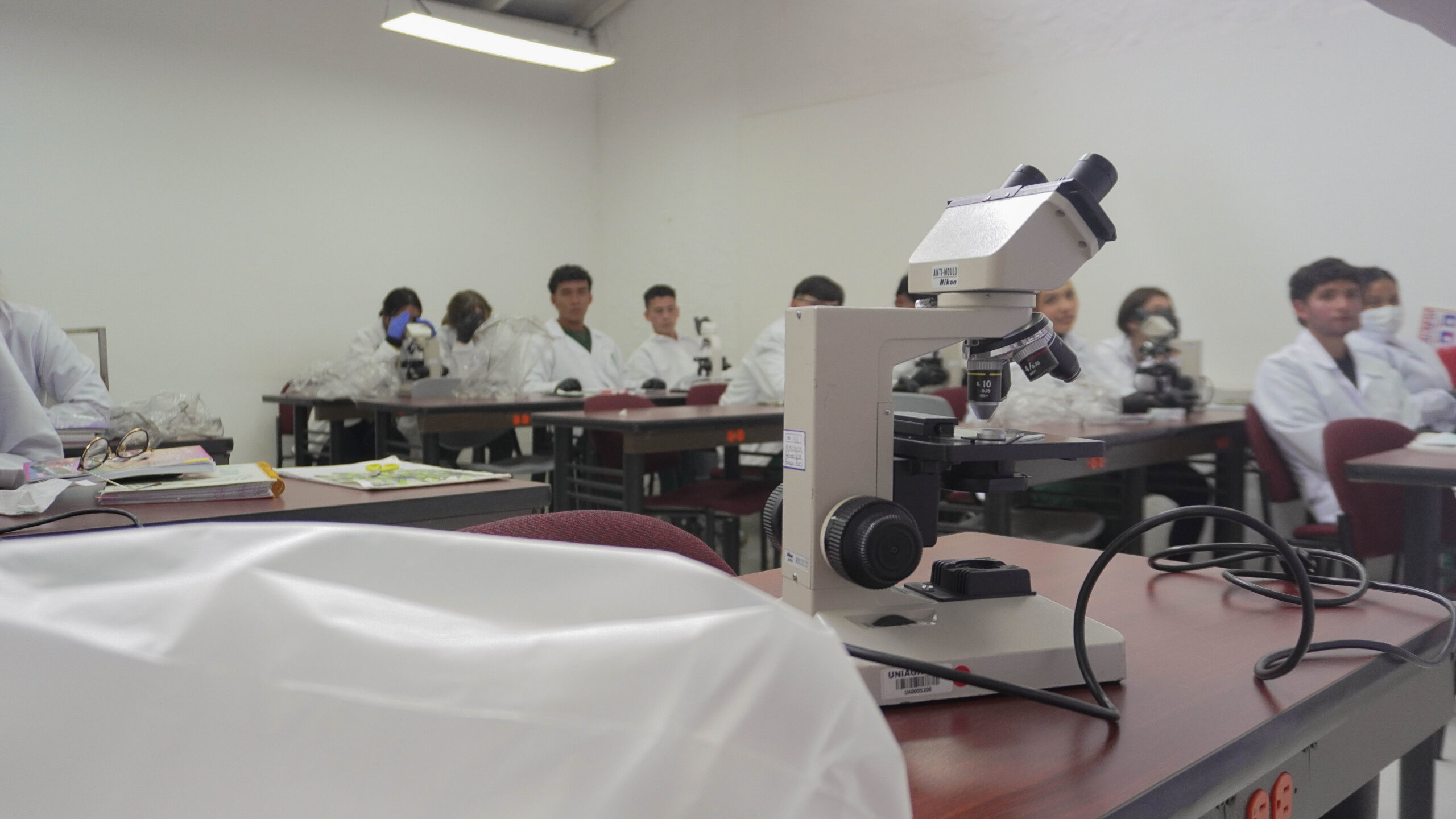
The biological sciences, have driven the development in all areas of Engineering and Agricultural Sciences by just to name a few disciplines. The biology, the concept of globalization more recent, searches for directions in the interdisciplinary nature of their activities, and a close relationship with the other basic sciences, mathematics, physics, and chemistry, mainly due to the perennial knowledge that occurs every day in the academic laboratories. In this laboratory are to develop practices on the basis of the biological function, structure, and their interactions, from the molecular level to the organism, and without distinction of the biological model to study.
The laboratory has an area of microscopy, stereomicroscope, and trinocular microscope for teaching support in the development of practices in environmental Biology, zoology, and botany, histology, among other things, this laboratory provides a learning environment that enriches the capabilities conceptual, procedural, and attitudes of the students, so that it becomes a dynamic space for learning.
Physics laboratory (Location block H)
The Physics Lab integrates the understanding of the theoretical aspects of the physics and practical, as well, among its objectives is to complement the classroom instruction, teaching, experimental techniques, handling and processing data that are part of the attitudes to enhance within the training process. This laboratory has different equipment necessary to comply with the physical mechanics, heat and waves, and electric and is equipped with computer equipment for collecting experimental data, which allow the student to simulate the physical concepts seen in class, buckets, heat, and waves, fonts simple, among others.
Chemistry lab (Location block E)
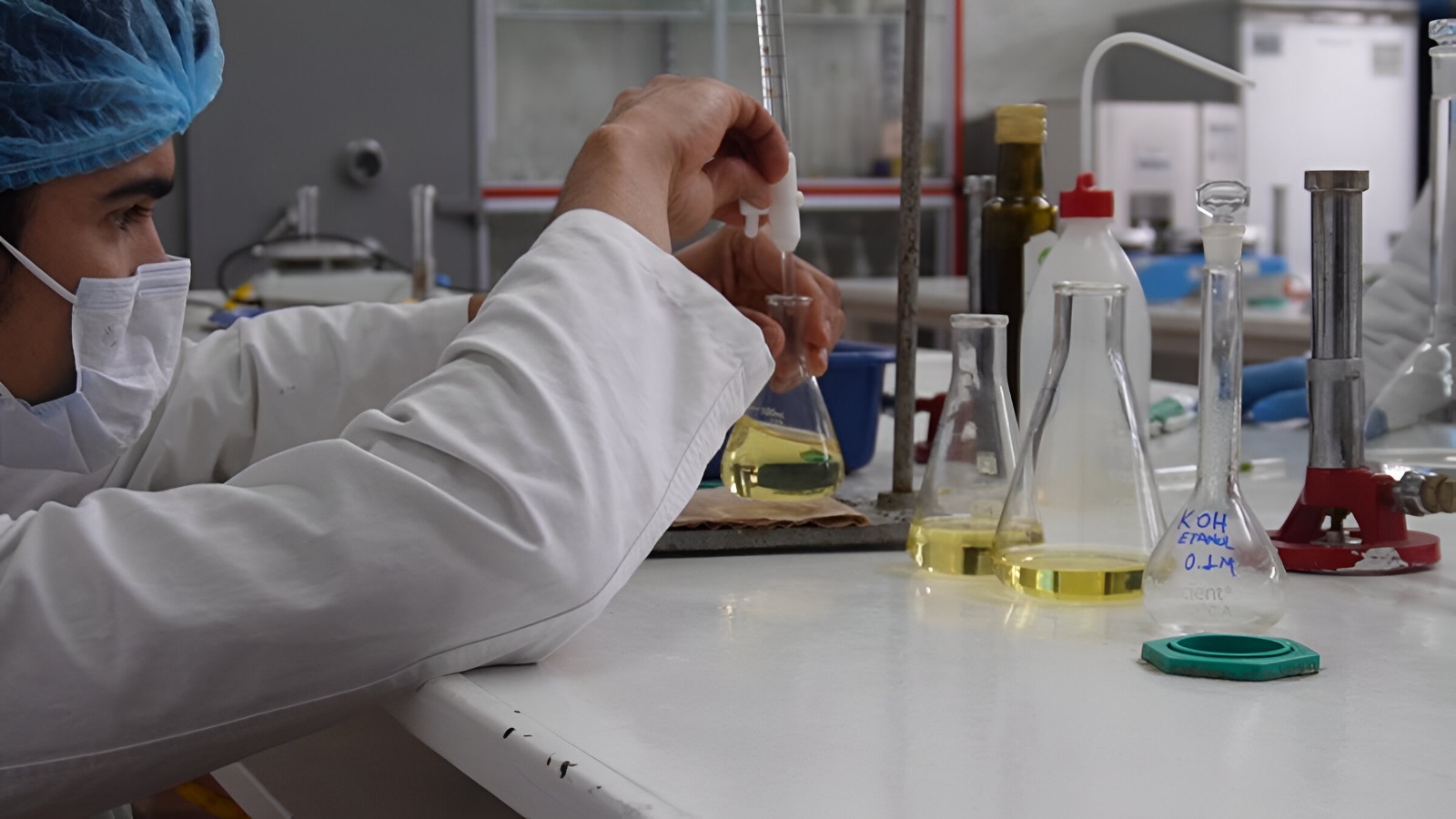
The Chemistry lab is a space where they develop different chemical processes, in which the student applies theoretical knowledge given in the classroom to contribute to the strengthening of abilities and skills that complement their academic training. This laboratory is equipped areas with quality technology, ready to provide timely and effective services to the academic community, highlighting the spaces of gravity, distillation, supplies, chemicals, and process development research.
The practices are carried out under the supervision of the teacher who raises controlled situations where they address aspects related to the chemistry, the use of different materials and equipment will allow you to understand much better the different processes and from this to use the tools that this knowledge provides to be applied in their work as professionals.
The laboratory has a variety of elements in a laboratory and in common use in education, these include: walk-in gas extraction, muffle furnaces, drying ovens, irons heating/stirring, pH meters/conductivity/temperature, centrifuge, bathroom serological thermostatic equipment, simple distillation, fractional and drag with steam, analytical balance, weighing scales granatarias.
Laboratory Biofuels Plant
It is a space designed for the teaching and research activities, where they perform processes for the utilization of agro-industrial waste by characterizing the physics and chemistry of biomass, which allow you to find properties for their use in obtaining value-added products, such as the handling of microorganisms for the production of biofuels from second-and third-generation or high-value products such as bioplastics.
The lab has space equipped with high-quality technology, to provide timely and effective services to the University Community, particularly for products intended for combustion, obtained from the processing of various elements of the biomass. The laboratory has two pilot plants for the production of biodiesel and bioethanol. Dedicated to teaching and research and seeks to generate a substantial and effective contribution to the development of new sources of energy.
Laboratory of Natural Ingredients
Comprehensive study of species of aromatic and medicinal tropical promising for the competitive and sustainable development of the agro-industry of essences, extracts and natural derivatives in Colombia, seeks to generate the scientific-technical knowledge that will serve as a support to the development of the value chain of the medicinal plants and essential oils in the country, to produce goods of value-added, taking as a frame of reference to the responsibility with the environment and the interest continued to achieve the highest quality standards backed up in the technological advancement.
Laboratory of Nutrition and food
The Laboratory of Nutrition and animal feed is a space used for activities of teaching and contributes to the characterization of food resources through the analysis of the chemical composition and nutritional value, as much whole foods as ingredients, by-products of agro-industry and materials forage (grasses and Legumes) for human food and animal feed.
The main objective of the laboratory is to ensure the academic quality with the equipment you own, the development of research and the provision of services, connected with the science of Nutrition and Food, in order to provide solutions to the problems of food and nutrition of the regions and the country, and to generate knowledge and methodologies in the field.
Laboratory of Microbiólogia
Serves as a teaching in the practical part to the Engineering programs and the programs of the Faculty of Agricultural Sciences, has the physical resources of infrastructure, supplies and equipment necessary to advance practices in the different areas of Microbiology, specific Engineering programs Food, Agricultural, Environmental, Veterinary Medicine and animal Husbandry. have separate spaces for the preparation and readiness of material, preparation of media and reagents and for the sterilization and disinfection of clean material and contaminated. Its purpose is to determine the micro-organisms present in a sample.
Also provides space for the development of free practice and for the development of projects for the classroom that allow you to consolidate the acquired knowledge of the students in the classroom, as well as provide the necessary support to students who develop a thesis, research processes of institutional and inter-institutional.
Laboratory pilot Plant Processes
Has an infrastructure of multidisciplinary and qualified personnel with extensive experience, equipped with the necessary infrastructure for the processing and control of food in conditions similar to those used in the food processing industries allows you to put into practice the knowledge acquired to scale in the laboratory and to evaluate the influence of different parameters on the quality of the products and their feasibility to be transferred to the industrial sector.
Currently courses are offered such as: technology of meat, dairy, cereal, fruits and vegetables, C. A. products animal feed, unit operations, among others, and has several ranges of processing such as minimally processed, heat treatment, storage, refrigeration and freezing, each one of them has the equipment for different operations specific to the production process.
Laboratory Analysis sensory
Sensory analysis is a discipline very useful to know the organoleptic properties of the food, as well as products from many industries such as the pharmaceutical industry, cosmetics, etc, by means of the senses. In this laboratory and investigate the attributes organoleptic or sensory as appearance, odor, flavor, texture evaluated by the human senses. Sensory analysis is a science that supports the Quality Management system, Good Manufacturing Practices (gmp), HACCP and ISO in the industries of agri-food sector and other productive sectors. Offer the services of sensory analysis to the university community and the industrial sector of food, with the aim of supporting the system of quality assurance during the production process, in which benefit both the producer and the final consumer.
Laboratory Unit Operations
The Laboratory Unit Operations form students in the field of the transfer operations and control processes, looking for that they are familiar with the operation of computers that commonly form part of a plant of chemical processes, generating a space of discussion to evaluate hypotheses, experimental, encouraging initiative, personal observation and promoting supportive environments to work in a team.
Each of these operations is a unit operation. Therefore, any chemical process conducted at any scale can be decomposed into an ordered series of what could be called the unit operations, such as spraying, drying, crystallization, filtration, evaporation, distillation, etc ..
Laboratory of Food is not processed
This laboratory provides students with practical training in the handling, analysis, and control of the quality of fresh foods and not processed. This type of lab seeks to help students understand the nature and the properties of the food before being subjected to processes of industrial transformation.
Students learn to take representative samples of lots of food, not processed, and to perform chemical and physical analysis to determine its quality, implementing quality control methods to verify the conditions of the food prior to its marketing, using the rules and procedures of national and international food safety, another aspect that manage students is to evaluate the shelf life of fresh products, observing changes in their quality over time and to develop predictive models on their conservation.
This lab is a hands-on approach, multidisciplinary and research, where students develop skills to analyze and handle fresh foods, understanding the processes of conservation, ensuring food security, and collaborate on innovative solutions for the improvement of the quality of the food is not processed.
Laboratory of emerging technologies
This laboratoirio focuses on providing students with access to tools, equipment and cutting-edge knowledge, to develop skills in key areas that are revolutionizing engineering, as a discipline, interdisciplinary, combining mechanics, electronics, computing and control, greatly benefits from the incorporation of emerging technologies.
This laboratory is equipped with with 3D printers for the design and rapid manufacturing of prototypes, allowing the students to create mechanical parts, housings for electronic devices, etc, we Also integrate areas such as artificial intelligence (AI), machine learning (ML), IoT, embedded systems, technologies, advanced manufacturing, and augmented reality (AR).
It is intended that students have a solid training in hardware and software, promoting a holistic approach to combine the mechanical engineering, electronics and computer science in the development of innovative systems.
Laboratory of environmental processes
Processes environmental is a laboratory to provide students with the opportunity to study, analyze, and experiment with processes that affect the environment, in addition to providing tools for the management and resolution of environmental problems. Account with instruments measuring environmental to measure the quality of air, water and soil (such as pH meters, turbidity, concentration of contaminants, etc
The laboratory of environmental processes integrates knowledge of environmental engineering, biology, chemistry, ecology, geology, and social sciences, among others, also studies on the biological treatment of waste, such as the decomposition of organic matter, bioremediation of soil and water contaminated, and the application of microorganisms for the reduction of pollutants.
Here the students to address realistic environmental problems through research and experimental practice in multidisciplinary teams. it is a key space for hands-on learning and applied research in the management of environmental issues with the use of green technologies and the creation of innovative solutions for sustainable development. Students gain fundamental skills to address the environmental challenges of today and tomorrow.
Lab logistics applied
This lab provides estudianres a way to practice on the management of the supply chain, transportation, storage and distribution of products, it is enfasisi in optimization, operations management and strategic planning processes. In addition, cost an additional tool technologies and computational attending to the work of logistics for the management of inventory, location, and distribution. The laboratory also training and teaching methods and tools that optimize the industrial processes of logistics.
The laboratory of logistics applied Uniagraria has a practical approach, multidisciplinary and oriented to solving real problems using the technologies and methodologies of today, preparing students to face the challenges of the modern logistics in the business world.
Laboratory PROLOG
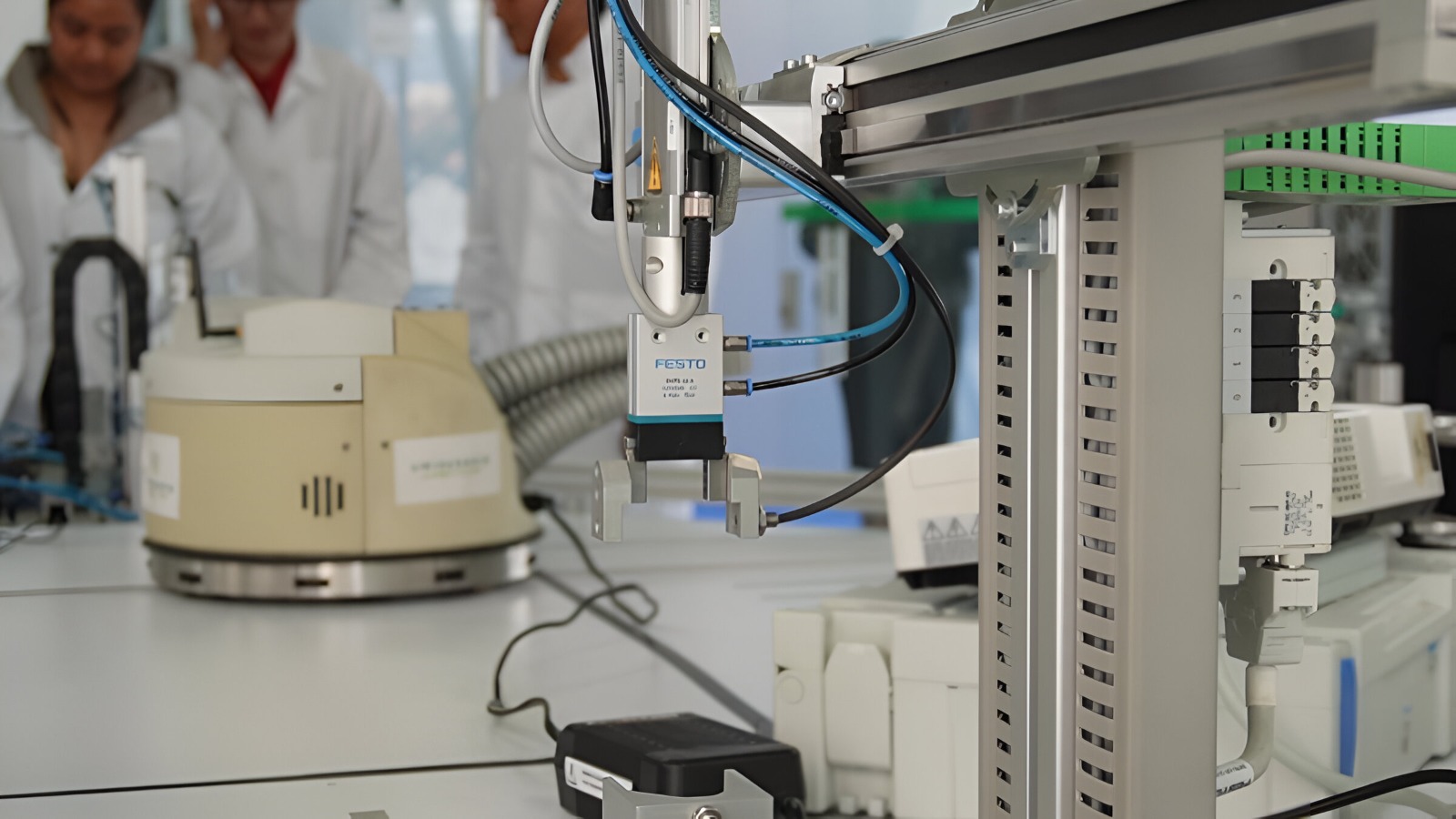
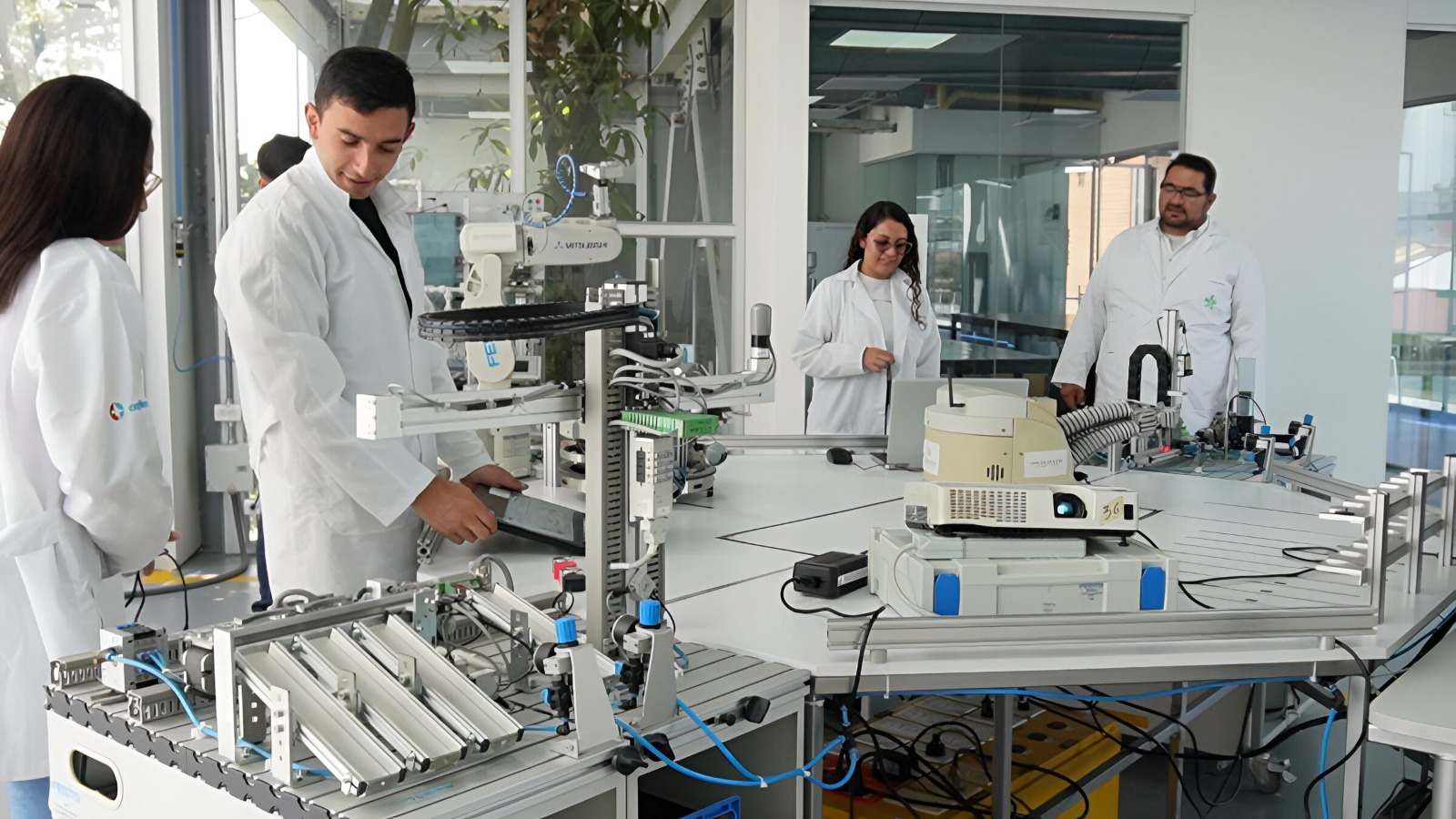
This laboratory provides students with tools for the development of competences and skills in the areas of programming, communications, components, electro-pneumatic, which has cutting-edge technology to the global level, characterized by being configured with a unique system at the global level, which allows for the continuity of a sequence of production without the need of all of its stations.
In addition, it allows the learning of programming in different languages, wirelessly. This system offers solutions for mobile robotics ROBOTINO and robotics stationary which, in complement with the other stations, it provides a perfect environment for the learning of dynamic programming, assembly, control of product and production time, supervision and commissioning of industrial machinery, recognition and characterization of the different sensors, among other multiple functions that this environment can offer. This laboratory with high technology as a learning platform for education in the programs of Industrial Engineering, Engineering, Mechatronics, Engineering, Food and Agro-industrial Engineering, are encouraged to research.
Laboratory of Electro-Pneumatic
In this laboratory can carry out a series of practices applicable to processes that are used in the automation and control of industrial systems, that cover a wide range of technologies, devices, and systems. The laboratory is equipped with benches of the firm Festo (with various elements, such as actuators, valves, PLC's, sensors, etc), to design automated systems simulated pneumatic or hydraulic.
It allows the student to a better understanding of the knowledge of the phenomena of electrical, mechanical, and tires, as well as the production processes, to perform practices; assembly and testing; whether by means of hardware or software and provides the opportunity for the student to assemble, disassemble and schedule with actual components such as pistons, pneumatic, valves, sensors and PLC.
Electronics laboratory
Laboratory dedicated to the teaching, it makes it easier for the student tools hardware and software for the experiment with the theoretical concepts of electrical and electronic circuits and electronic analog which allowed them to develop skills for the design and simulation of electronic systems of various levels of complexity. The laboratory has basic elements, such as fonts that are simple and dual, signal generators, multimeters, oscilloscopes, analog and digital, among others.
In this lab, students gain skills in the practical use of digital circuits, through experimentation with mathematical tools, hardware, and software used in analysis and design, ranging from the digital elements of basic, up to the programmable logic devices. The purpose of this lab is to promote the learning and the experimental investigation of power electronics systems, equipped with instrumentation for the design, simulation, development and test circuits/analog switched, modeling and control applied to converters switched, investors, single-phase, etc
Laboratory materials Science
It is of an academic nature and is oriented to train the students in the implementation of standardized tests, designed to determine the mechanical properties of the materials. In the Laboratory of Strength of Materials with virtually all equipment is suited for use in educational activities. The design of the equipment guides, clearly, the practices into a simple and easy to understand.
A remarkable aspect is the versatility of the modules which allows the design of several practices to each team. Equipment impact testing machine, torsion and bending, and universal machine, microscope, metallographic, scales, flask, among others.
Hydraulics laboratory
The laboratory of fluid mechanics and hydraulics allows the realization of hydrostatic testing fluids, in which can be done by study of capillarity, among others. In the section of hydraulic machines, carried out studies of loss of pressure, configuration of pumping equipment in series and in parallel, power generation in turbines, Pelton and Francis, a hydraulic system power (pumps, piping, valves, etc), a “test bench” (which may be a physical model or a test bench – a canal, a system of pipes, etc). In the laboratory of hydraulics is made practical in fluid mechanics, hydraulics of pipelines and canals.
Laboratory Materials of construction
Analysis was performed physical-mechanical soil, aggregates and mixtures of concrete and structures, among others, using methodologies that are validated and with trained and competent staff, generate technically valid results. In the same way, it carries out its technical processes of trial, by applying a series of technical provisions documented and based on standards recognized techniques.
The student develops skills to perform the Characterization of aggregates: based on the identification of the following physical properties: specific gravity, moisture, absorption, index of flattening or elongation, unit weight, wear and tear. The Properties of the cement: specific gravity, setting time, fineness. And finally determine the properties of fresh concrete and hardened: Based on the determination of the workability by using the trial and settlement of the resistance to compression and bending by the rupture of specimens.
Laboratory of Floors
In this lab are performed assays that measure the properties of asphalts liquids and solids, the stability of asphalt mixtures, and the bearing capacity of the layers that make up the structure of a pavement flexible. In this context, the Laboratory of Pavements seeks to provide the university community with an environment conducive to the preparation of academic papers, projects, teaching and scientific-research works.
In the Laboratory the student is in the ability to perform various tests such as quality control materials for asphalt mixtures, characterization of all the constituents of the asphalt and specification of its physical and mechanical features. Account with the assistance of a qualified human resource and has the equipment and tools suitable for the characterization and evaluation of mechanical properties, dynamics, and hydraulics of soils, rocks, materials for roads, in general.
laboratory of propaedeutic clinic
Unlaboratorio propaedeutic clinic for students of engineering mechatronics universities have an interdisciplinary approach, combining engineering with medicine to form professionals who can apply their knowledge of mechatronics in the field of health, specifically in the development and improvement of medical devices and systems of care for clinical care. In this type of laboratory, students gain practical skills and theory on the interaction between biomedical systems and devices of advanced technology.
Laboratory Veterinary Practices
This lab integrates teaching, research, extension and sustainability, encouraging the teaching and learning process of the students of the institution. It also explores the techniques and the initial procedures such as veterinary medical, surgical, physical, physiological, necessary to explore all species of domestic animals. In addition, it is the introduction to the clinics, because it is through these means and techniques are established diagnostic, prognostic.
On the other hand, one of the courses that will be taught in this lab is the propaedeutic with which the student may learn to use their five senses as an important tool to perform a physical examination for clinical purposes, whose objective is to differentiate a health situation with regard to a situation that is not.
Infrastructure and Specialized Equipment
- Patient simulators: Simulation tools that allow students to practise the use of medical devices in a controlled, secure environment, such as simulators of vital signs or dummies interactive training in resuscitation, diagnosis and management of emergencies.
- Biomedical sensors: Equipment and devices for measuring physiological parameters such as heart rate, blood pressure, body temperature, electrocardiograms (ECG), electroencephalograms (EEG) and blood oxygenation. Students learn to integrate them with mechatronic systems.
- Monitors patients: Device to show real-time vital signs, which can be integrated with technologies of remote monitoring or automation for storage and analysis.
- Teams of medical image- Tools such as ultrasound or mri (if you have the resources) that are used to study how the mechatronic engineers may be involved in the improvement of the diagnostic equipment.
- Instruments of measurement of force and pressure: Equipment such as pressure sensors, strength and movement to analyze the interaction of assistive devices with the human body.
Veterinary Diagnostic laboratory
The veterinary diagnostic laboratory is a space dedicated to the practical training of students in the field of veterinary medicine and animal husbandry. This laboratory is devoted to training in key areas related to the parasitology, parasitic diseases, hygiene, reproduction, physiology and biotechnology of animal reproduction, whose main objective is to provide an environment of academic and practical where students can acquire knowledge and skills in the diagnosis, prevention and treatment of parasitic diseases, as well as advanced techniques of animal reproduction, providing a deeper understanding of the biological processes and diseases that affect animals.
This laboratory is fully equipped and designed for the manipulation of biological samples, parasites, anatomic parts among others, with equipment such as microscopes, estereoscopios, terms of nitrogen, monitor vital signs, refractometers, chambers Mc-master and Neubauer.
RESEARCH LABORATORIES
The research laboratories in Uniagraria are spaces where it is carried out the research contributing to the advancement of knowledge in many different disciplines, allowing you to discover new phenomena, develop theories and to improve existing practices.
In these spaces, it encourages innovation by allowing the experimentation and the development of new technologies, products and processes. On the other hand, these labs are usually spaces where they cross different areas of knowledge, promoting interdisciplinary collaboration that can lead to solutions that are more comprehensive to complex problems.
The section of laboratories supports the work of research and extension through the support of different research groups and projects, the provision of equipment, supplies, facilities and infrastructure, which will enable them to strengthen their lines of research and to turn the undergraduate and graduate degree programs.
Currently the Laboratories of UNIAGRARIA account with 9 research Labs in its three locations, where they develop research projects of different undergraduate and graduate degree programs.
Laboratory of phytochemistry
In this lab gives the ownership, creation, and/or generation of knowledge, intended for the promotion and development of research and innovation activities, with component theoretical, practical and/or experimental.
To determine the secondary metabolites present in plants to study how it is in the medicinal plants, applying it to a series of techniques of extraction, separation and purification, and structural determination, as they are also working with the liquid chromatography of high-efficiency and will be implementing gas chromatography, with these instrumental techniques provide, among other data, the Identification is tentative and relative amount of the constituents of the sample analyzed, which provides an approach to the composition of the sample under test, you can also make determination of carbohydrates, lipids, Alcohols, among others.
Research laboratory of Aquaculture
This laboratory research in aquaculture is a dynamic and essential to the advancement of knowledge in this field, contributing to the training of students, interns, endowed with infrastructure and technology to study and develop practices related to the breeding and farming of aquatic organisms, including fish, crustaceans and molluscs.
It also carries out the assessment of the water quality, microbiological analysis, and biochemical, as well as studies of nutrition and health of organisms, with Monitoring systems to measure water parameters such as temperature, pH, dissolved oxygen, salinity, and nutrients, which are crucial for the wellbeing of aquatic organisms and systems for automatic feeding of organisms, which allow you to control the amount and frequency of feeding.
Research laboratory of Chromatography and spectroscopy
The Chromatography is one of the main analytical techniques for separation of different chemical species in a mixture, and is capable of providing qualitative and quantitative information about its composition. Separate species can be characterized using the appropriate listeners.
The Service of Chromatography and Spectroscopy, is a multidisciplinary laboratory that offers a full equipment chromatographic, both for volatile samples (gas chromatography, GC) as for sample non-volatile (liquid chromatography HPLC) as well as spectroscopy, UV/Vis/NIR, FTIR, Raman, CD and VCD. The available equipment allows you to perform qualitative and quantitative determination of a large variety of compounds, as well as the characterization of a wide diversity of substances and materials.
Research and development laboratory metrology
In this lab applies the science which has for object the study of the units and of the measures of the magnitudes; also defines the technical requirements of the methods and instruments of measurement, are classified hierarchically, according to the quality of their patterns. It is fully equipped with three magnitudes pattern, to calibrate mass, pressure, and temperature.
Metrology is responsible for ensuring that the equipment used in a particular process, to operate within the standards of national and international quality set by the manufacturers and adhere to their time, the allowable ranges for the magnitude of depression, temperature, and mass, in this way, we have full confidence in the results obtained.
Research laboratory Analytical Instrumentation
Testing and analysis of organic and inorganic compounds using instrumental techniques such as: texturometría, colorimetry, it also features the lyophilizer, team with a high technology that has the properties cold and preserver, opened new horizons, taking into account that the bacterial activity was a brake on their development, although the enzymatic activity, in many cases, present, and the phenomena oxidative fractions susceptible allow only a short-preservation and the best solution is the total elimination of the water contained in the specimen, the drying directly is impractical, therefore, they resort to the criodesecación vacuum or freeze drying, which is not more than the extraction of water from a product previously frozen, in the form of steam; that is to say it produces the phenomenon known as sublimation, where the ice in the solid state in conditions of low pressure passes to vapor without passing through the liquid state intermediate, analytical balance.
In the same way, this is a space designed also for business and for students jobs degradation of undergraduate and graduate programs, where you will be able to work hand in hand with researchers UNIAGRARIA.
Research laboratory of Quality and Analysis
Both this lab and other research are created as components of multi-disciplinary, so that in a single space, meet various faculties to promote the exchange of knowledge and the use of resources.
Uniagraria offers its teachers and researchers in laboratories with adequate technology to think and produce original knowledge and novel. This lab strengthens the research in the analysis of the physico-chemical properties in foods, water, measurement of different types of acidity, pH, water activity, turbidimeter, test jar, BOD and COD, chromatograph, atomic absorption for the determination of some heavy metals among others.
Research laboratory of Electromagnetic Fields
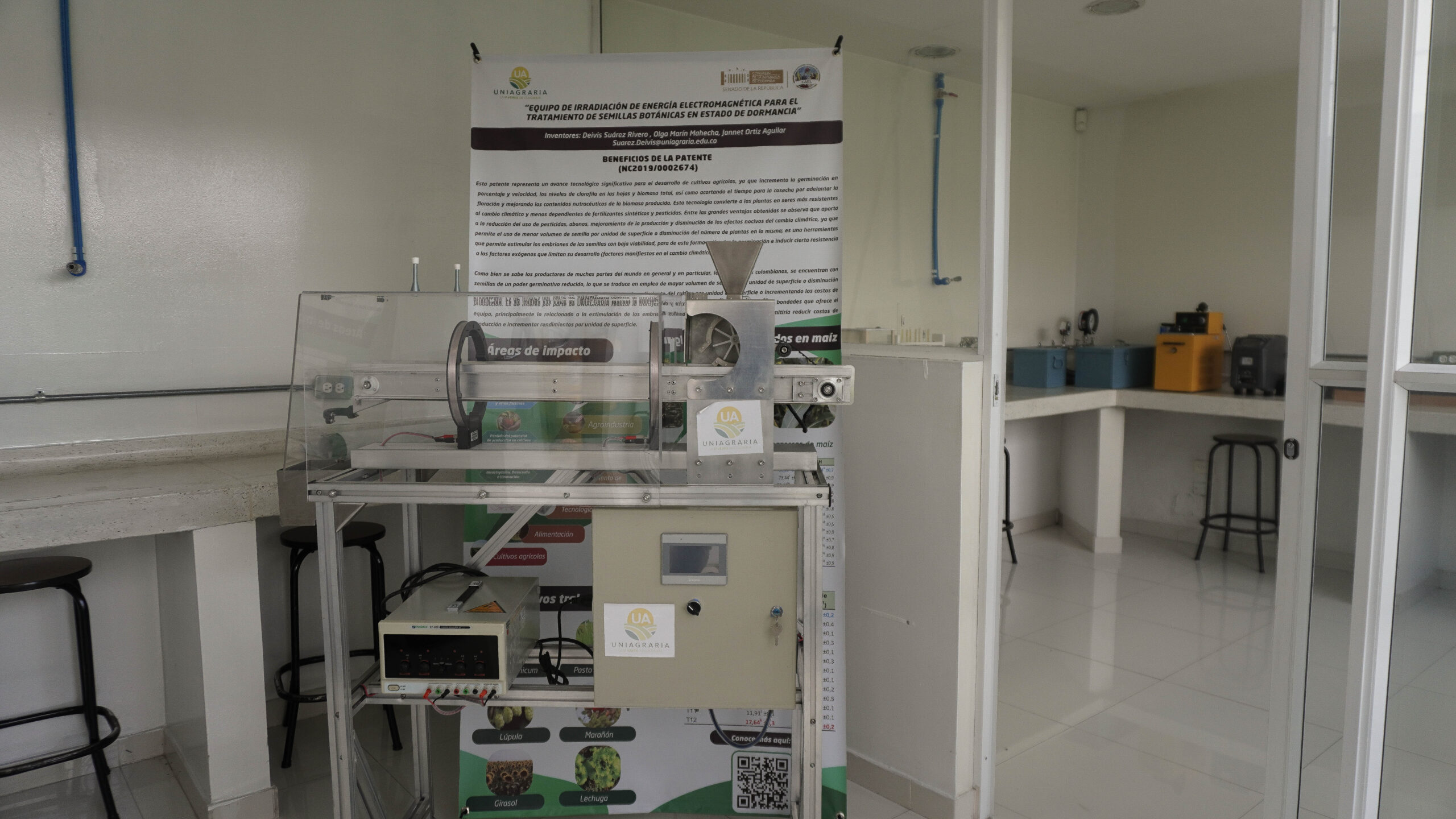
A research laboratory focused on Electromagnetic Fields (EMF) in seeds botanical is a space designed to study how the CEM stimulate the growth, development and seed germination
In this laboratory trials have been carried out on electromagnetic fields in order to improve the quality of the seeds grown by farmers and proposed as a technological resource to stimulate the postgerminación of the same. This technique has been used to increase the germination of seeds, the growth and development of plants, the increase in the weight of the fruit and yields, as well as the improvement of metabolic processes in the plant”.
One of the techniques that make up a field of research promising are the electromagnetic fields, which is now starting to be studied more frequently in agricultural crops, giving positive results in the decrease of the time of germination and better development of roots and shoots. This lab not only seeks to understand the effects of the electromagnetic fields in the seed, but also contribute to the development of agricultural practices more sustainable and efficient
Laboratory of research Studies in situ
The research and validation of methods for in situ or in field tend to have several key features that ensure its effectiveness and relevance. It is as well as develop and validate in a specific context and the local conditions and the particularities of the environment, using data collection techniques appropriate to that environment, such as direct observations and measurements, which ensures that the information is relevant and accurate.
In this space we perform a rigorous analysis of the results obtained, comparing them with standards or methods previously established to validate its effectiveness. These features help to ensure that the methods used are effective and applicable in the real context, which is essential for the research in the field. Each test field is correlated with one or more laboratory tests, so that a parameter has more than one way of being determined and compared by other means.
Testing laboratory of civil engineering
In this lab interdisciplinary dedicated to the teaching aims, to give support and be a complement of the theoretical courses in the area of geotechnical, pavement and construction materials and support in the development of work-directed and work degree, undergraduate students, as required, to strengthen their theoretical knowledge by practical demonstration. The lab allows the student to use in the practical component suitable teams, materials and inputs, and allow the determination of the parameters of the
disciplines of geotechnical, pavement and construction materials by applying and interpreting the regulations in force NTC, INVIAS, ASTM.
Laboratory of applied physical Science
This Lab integrates the understanding of the theoretical aspects of the physics and practical, as well, among its objectives is to complement the classroom instruction, teaching, experimental techniques, handling and processing data that are part of the attitudes to enhance within the training process. This laboratory has different equipment necessary to comply with the physical mechanics, heat and waves, and electric and is equipped with computer equipment for collecting experimental data.
Makes it easier for the student tools hardware and software for the experiment with the theoretical concepts of electrical and electronic circuits and electronic analog which allowed them to develop skills for the design and simulation of electronic systems of various levels of complexity. The laboratory has basic elements, such as fonts that are simple and dual, signal generators, multimeters, oscilloscopes, analog and digital.
Instructional income to the laboratories
Laboratories of teaching
The ability and readiness of the labs for the area of teaching, it has been analyzed and defined in accordance with the conditions and requirements of each course and space, equipment and supplies available within the section of laboratories.
Contact
- Responsible for the Section: Olga Marín Mahecha
- E-mail: marin.olga@uniagraria.edu.co
- Location section laboratories: Block E, Main Headquarters
- PBX: 601 – 667-1515
- Extension: 117
- Fax: 601 – 672-3773
 ES
ES  EN
EN