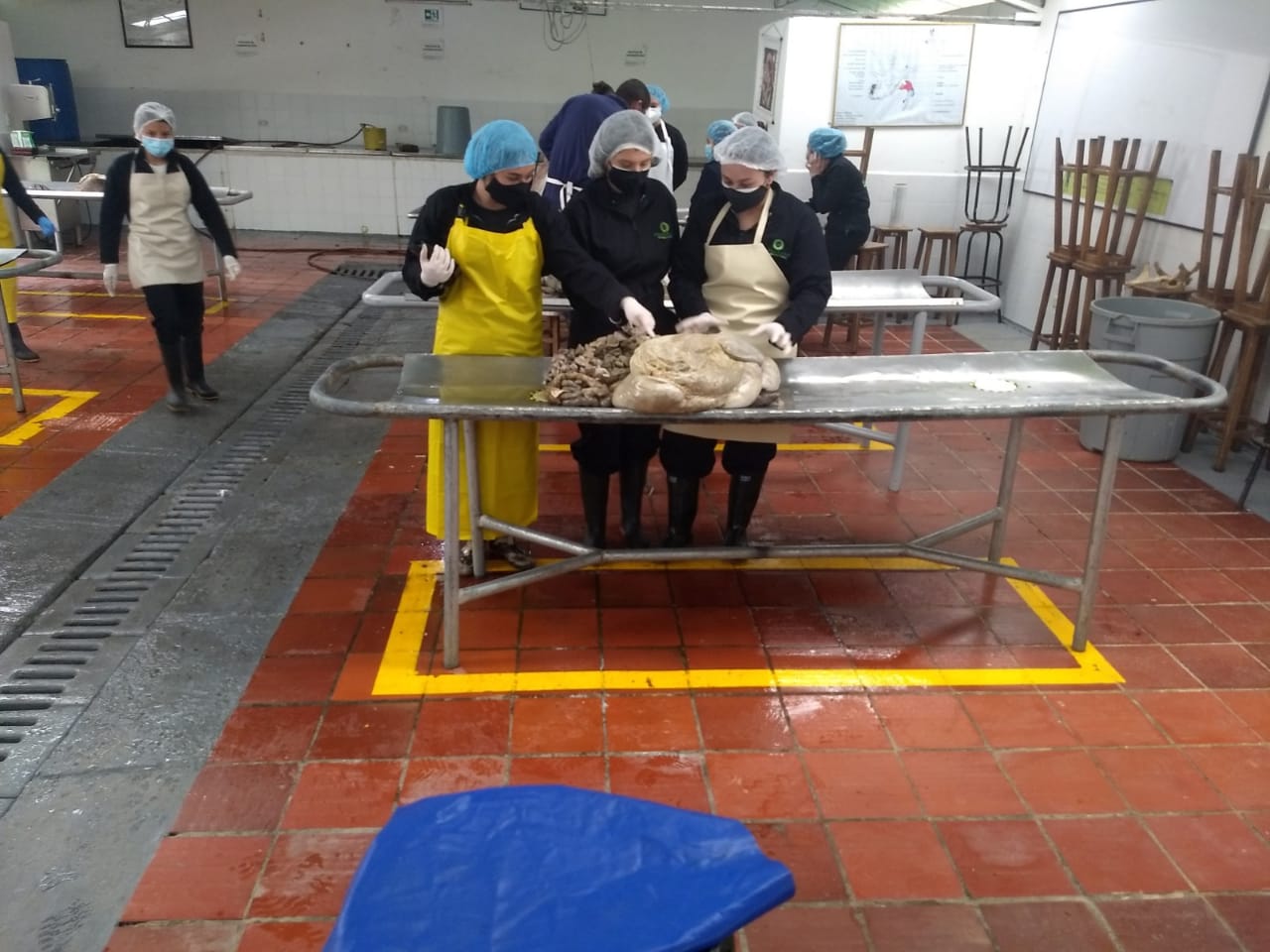
Specialized laboratories Headquarters CIDT - Tenjo Emphasis for Veterinary Medicine and animal Husbandry
Laboratory Reproduction
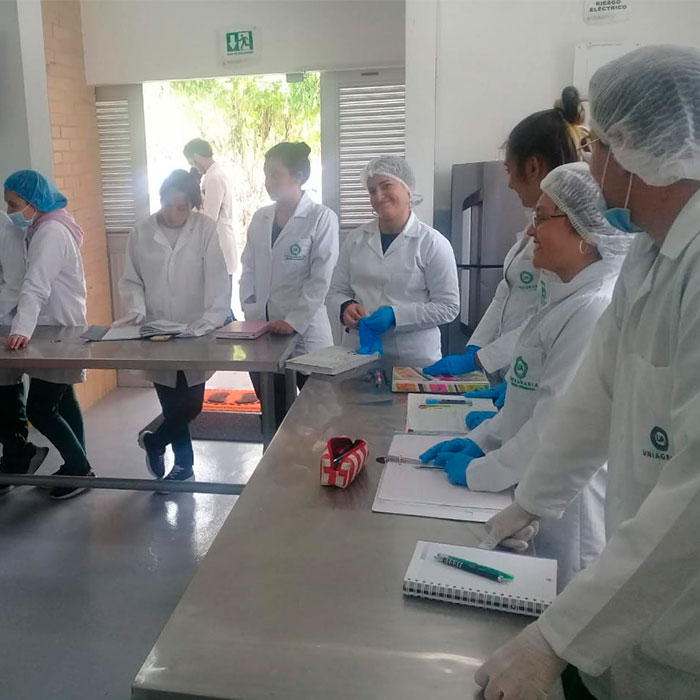
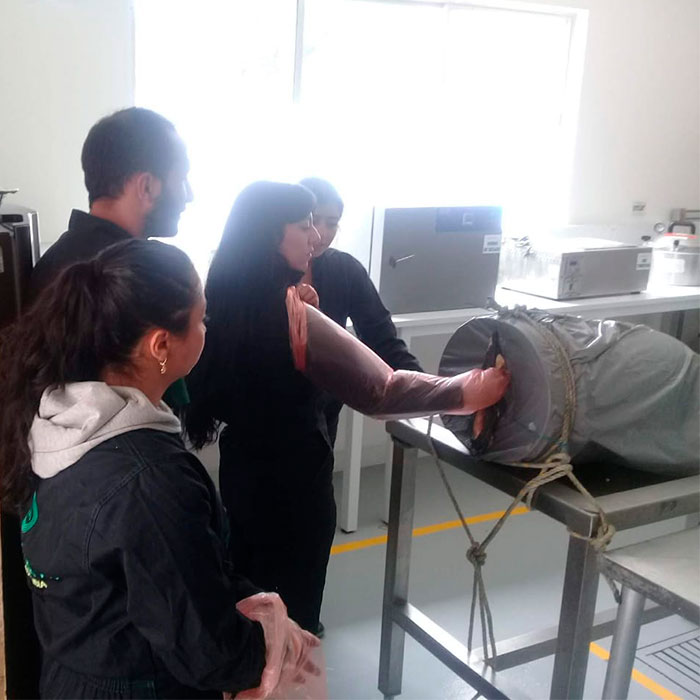
In the Laboratory of reproduction used by the students through the practical component of the process through which living beings can create a new living being with the same genetic load, or similar to that of the species involved. This Laboratory is a fundamental tool for the development of the subjects of the curriculum of the program of Veterinary Medicine and animal Husbandry.
The activities that take place there allow you to set a future professional in the knowledge and development of reproductive biotechnologies for that, by the use of the same and can contribute to the development and improvement of animal, generating progress in the agricultural sector, regional and national levels.
Laboratory Veterinary Practices
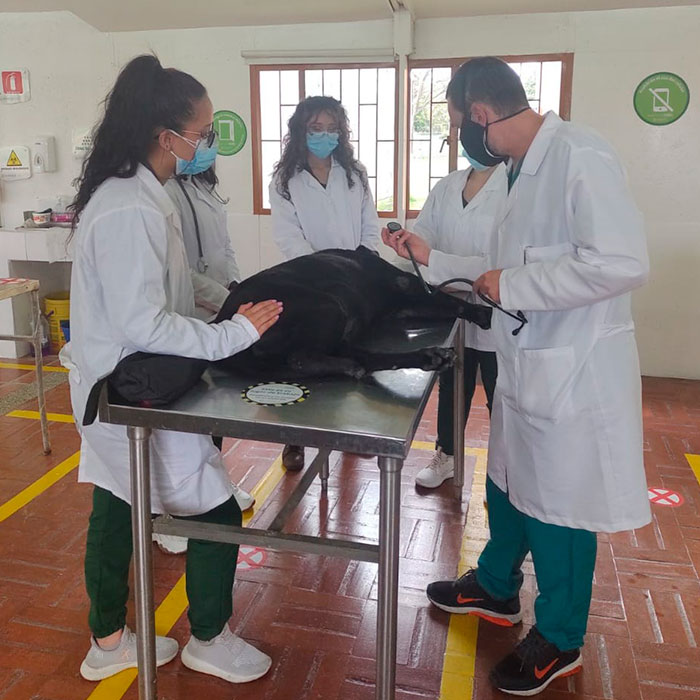
This lab integrates teaching, research, extension and sustainability, encouraging the teaching and learning process of the students of the institution. It also explores the techniques and the initial procedures such as veterinary medical, surgical, physical, physiological, necessary to explore all species of domestic animals. In addition, it is the introduction to the clinics, because it is through these means and techniques are established diagnostic, prognostic.
On the other hand, one of the courses that will be taught in this lab is the propaedeutic with which the student may learn to use their five senses as an important tool to perform a physical examination for clinical purposes, whose objective is to differentiate a health situation with regard to a situation that is not.
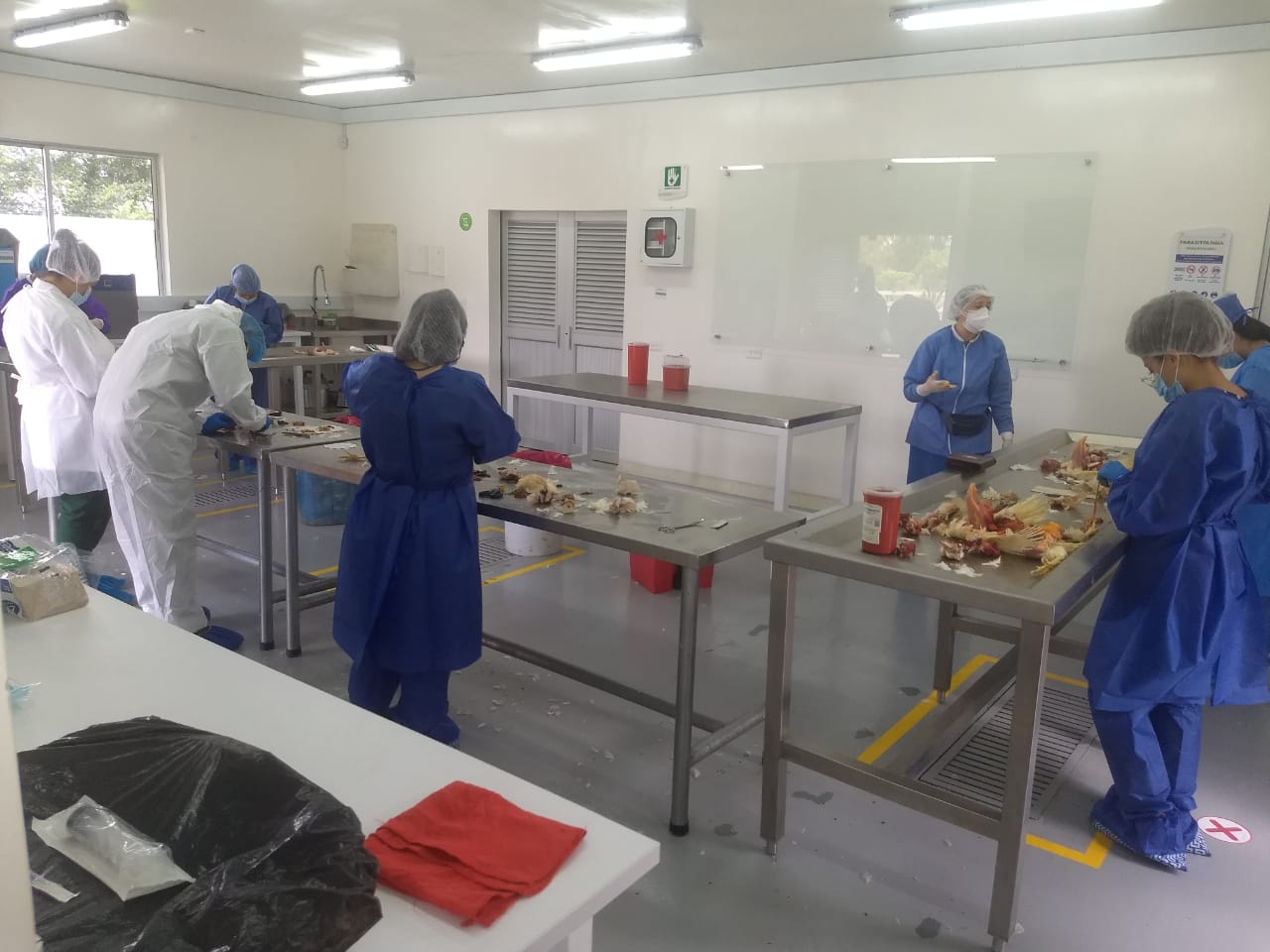
Parasitology/ Parasitic Diseases
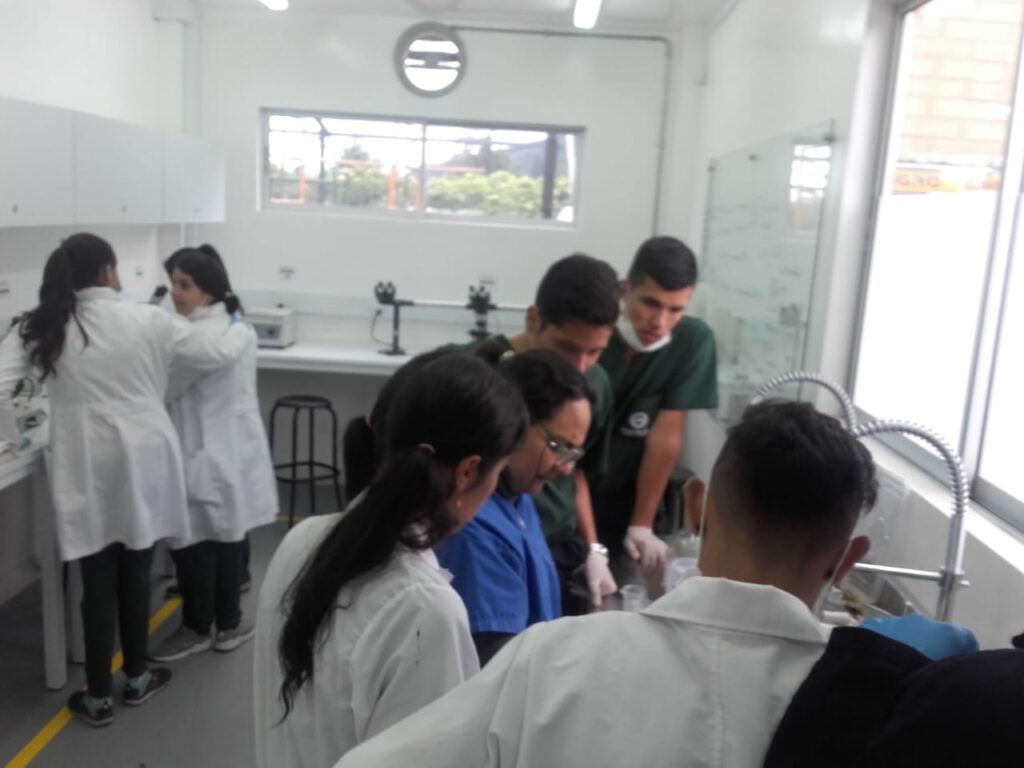
The process of formation of the Veterinarian and animal industry requires knowledge, and skills full of the various entities parasitic disturb more frequently in domestic animals, in both morphological features and taxonomic as well as in those related to their behavior and in various ecosystems, as well as in their response to the different measures of control and prevention that are created to decrease their populations.
In addition to this teaching function, has been developing activities and practices in the field of Parasitology in Veterinary medicine, with the use of animal that you have in this office also offers services of parasitological diagnosis to internal users. This laboratory has the necessary equipment for the student in the company of their teacher perform the diagnosis. On the other hand, the collection of parasites is collected of the animals existing on the CIDT, the result of the work done semester after semester.
Laboratory Physiology/Pathology
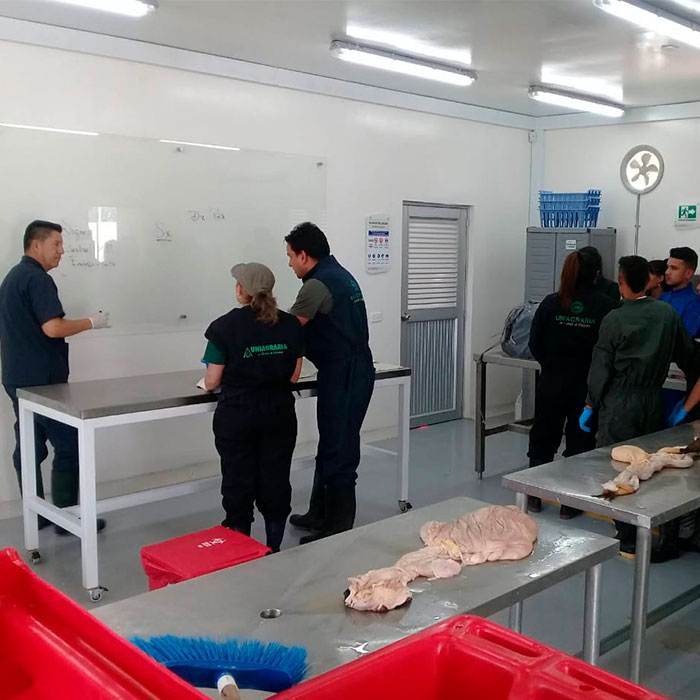
This Laboratory is in charge of diagnostic pathology of domestic mammals, plus a few additional techniques. To provide students with the necessary tools to develop and analyze the operation of the vertebrates and their applications in veterinary medicine as a discipline. In the animal physiology, teaching, and complements the study of vertebrates both in its internal workings, as his relationship to his habitat, and try to develop the main ideas of the functioning of the vertebrate.
The laboratory is equipped with equipment for the development of the practical component, with the accompaniment of qualified personnel in the handling and use of the same, and teachers who are in charge of the improvement of skills in the handling of the animals and equipment that they use.
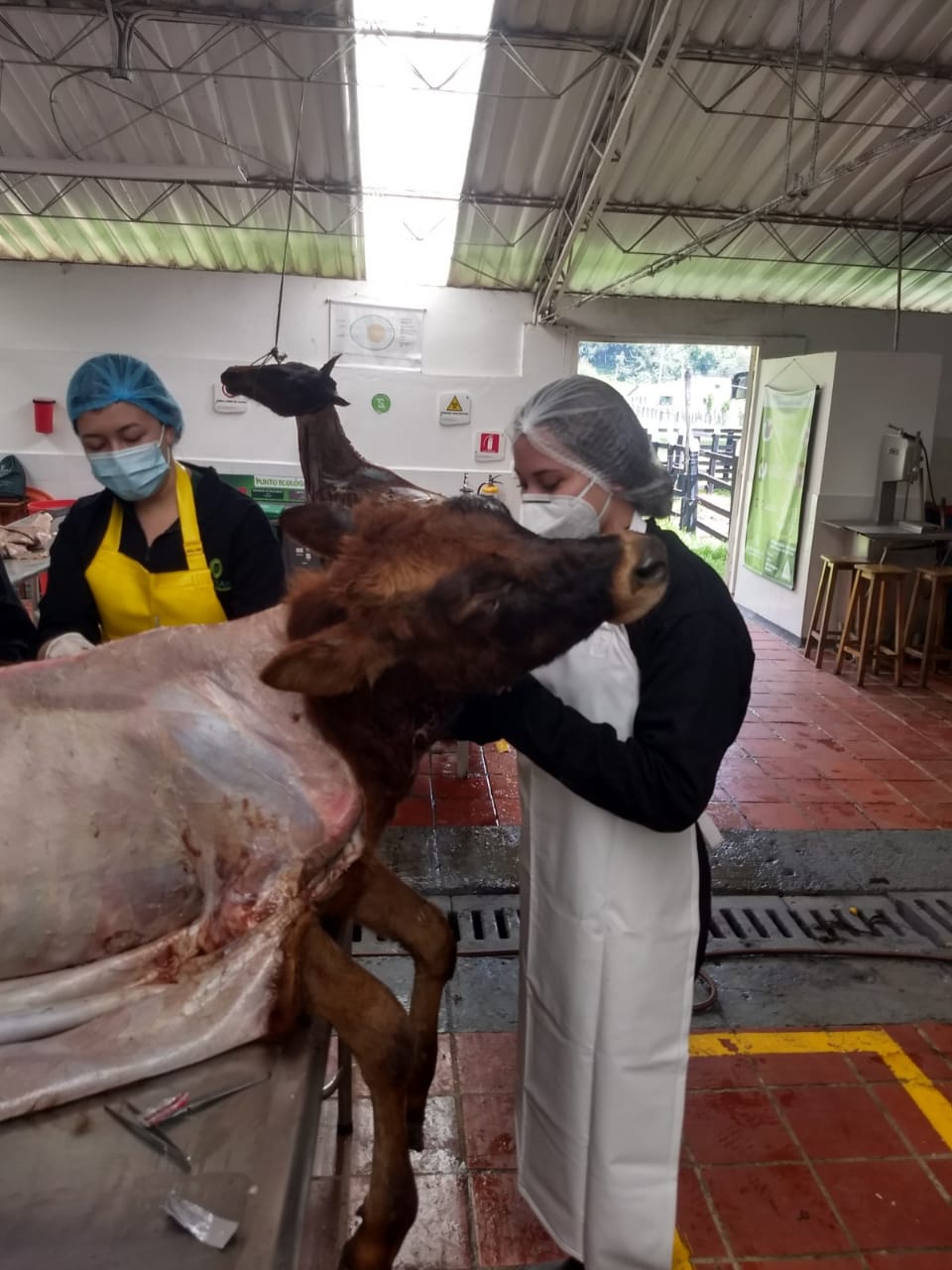
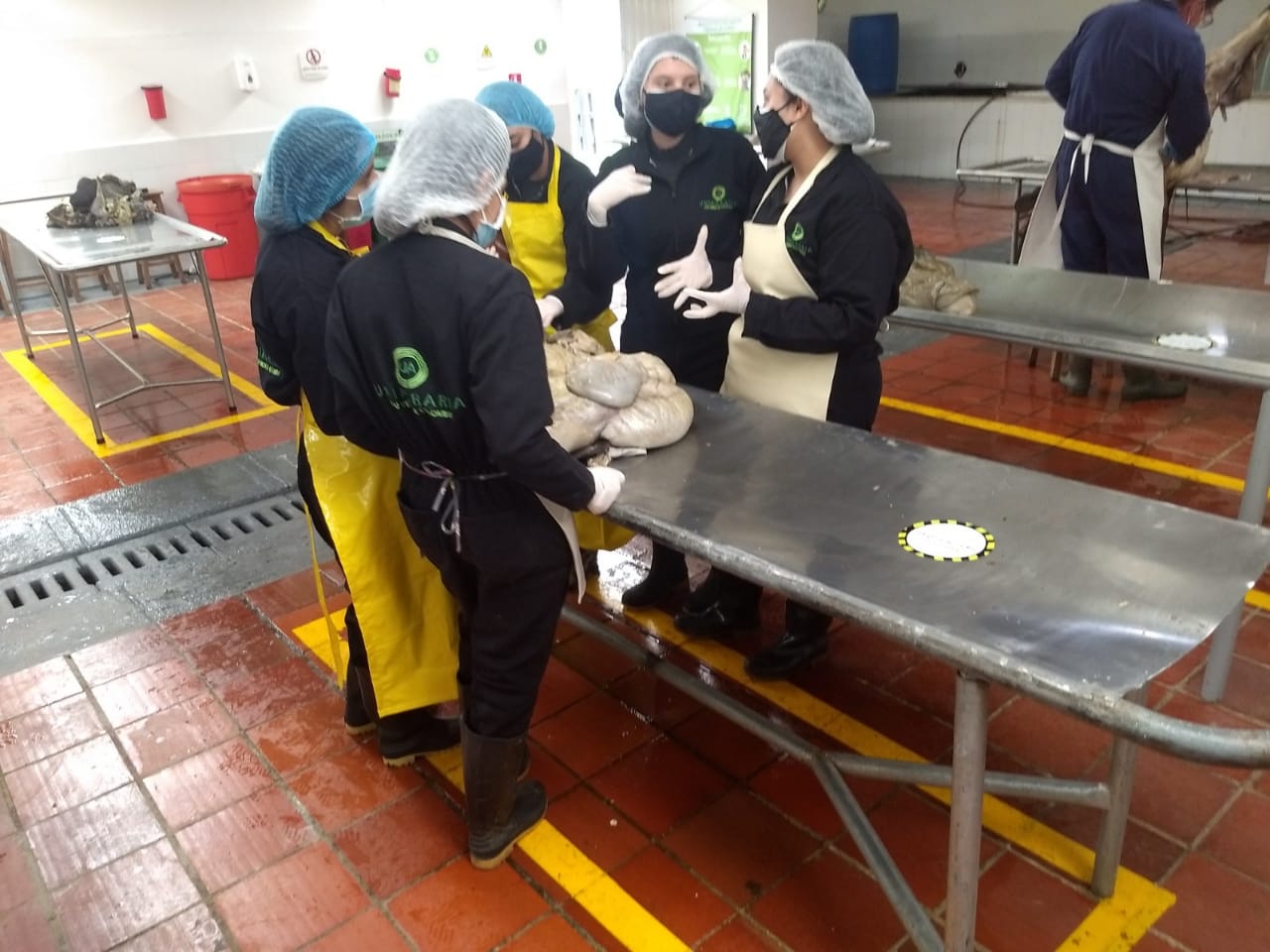
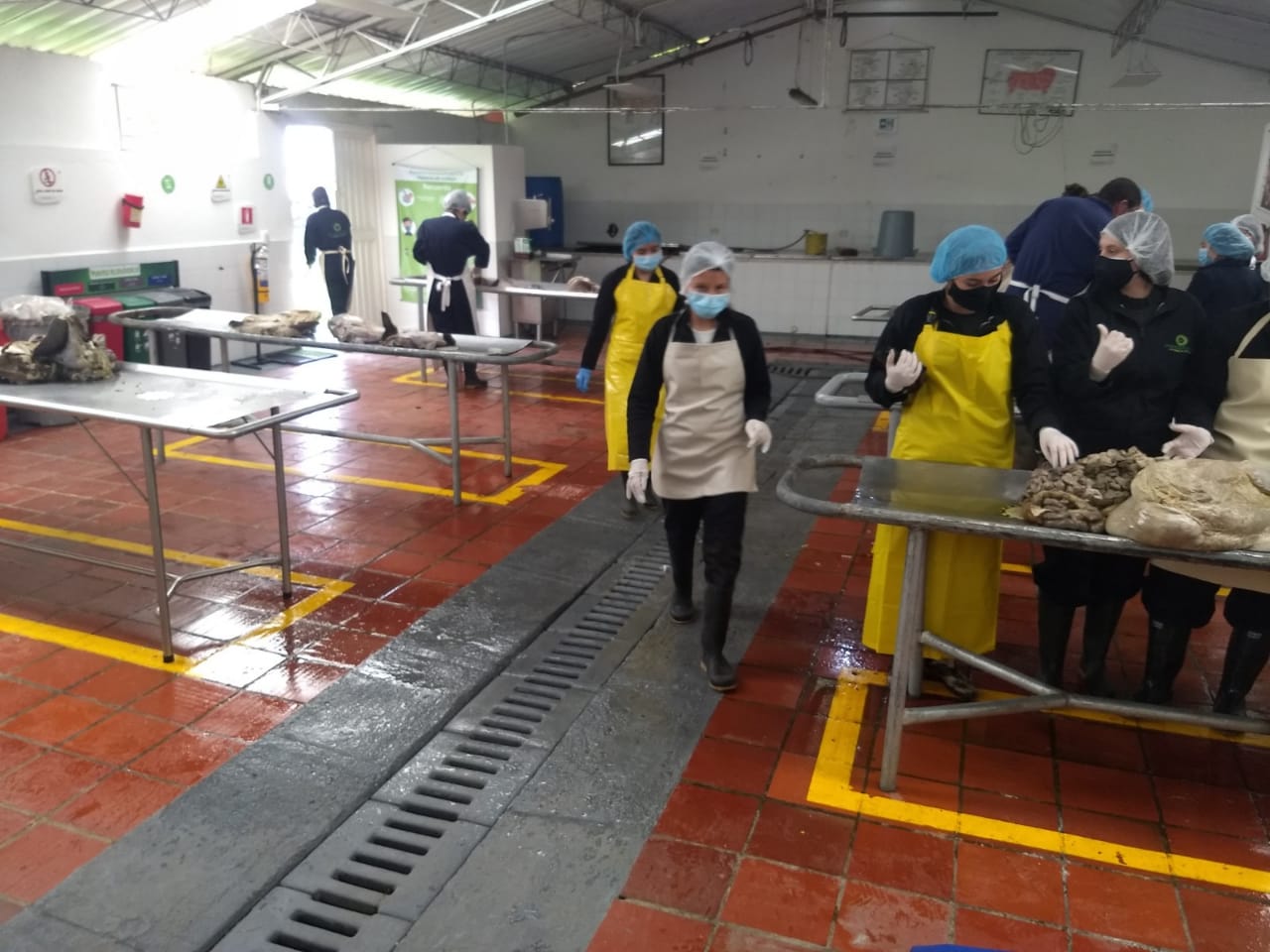
Laboratory Anatomy
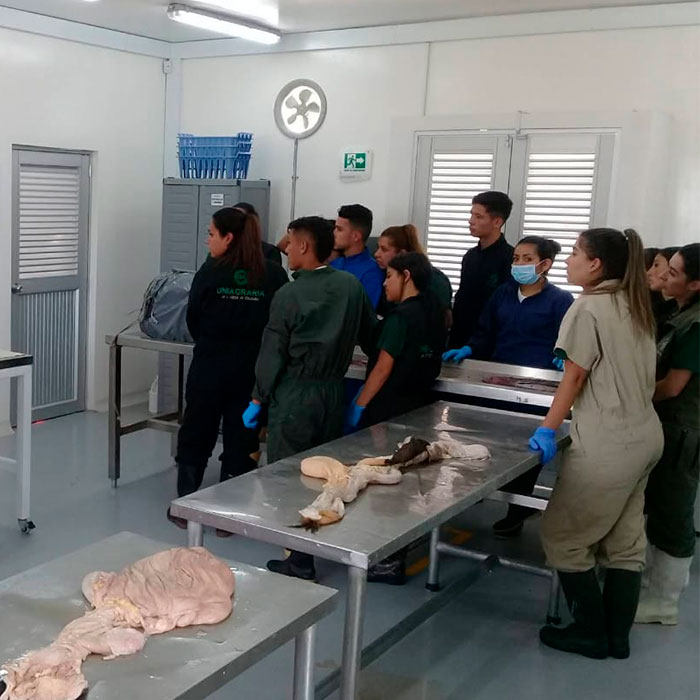
It is a laboratory dedicated to teaching and learning where they will acquire knowledge in the comparison of the anatomy of the bodies, seeing similarities and differences, examining the number, structure, size, shape, disposition, situation, and relations of the different internal and external parts of animals. Morphology I is a basic course first course that contributes to the achievement of the student in his understanding of the structure, organization and function of the organs, systems and equipment that make up the animal organism, both along the development of the individual as well as in their adult state.
Morphology I and II provides a broad conceptual and basic that it is essential for the understanding and development of the knowledge and skills of many other sciences that are taught in subsequent courses, among which are those related to the field of Medicine and surgery of the different animal species of interest veterinarian. Also, the subjects of morphological characteristic are also important for the understanding of disciplines in the fields of animal production and the hygiene and food inspection. For the development of these competencies and skills students are equipped with adequate infrastructure, animal material and relevant support staff qualified for the guidance and assistance during the development of the practice.
 ES
ES  EN
EN