Specialized laboratories with an Emphasis in Civil Engineering and Environmental Engineering
Laboratory of Strength of Materials
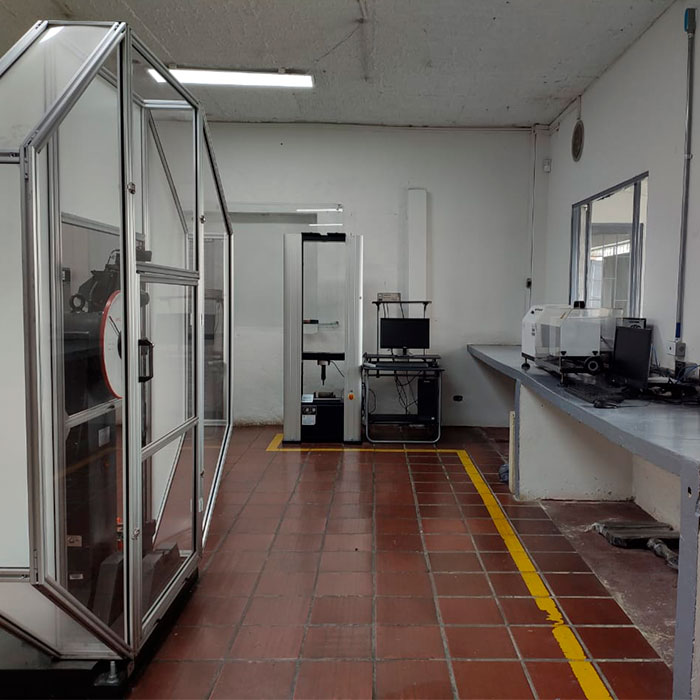
It is of an academic nature and is oriented to train the students in the implementation of standardized tests, designed to determine the mechanical properties of the materials. In the Laboratory of Strength of Materials with virtually all equipment is suited for use in educational activities. The design of the equipment guides, clearly, the practices into a simple and easy to understand.
A remarkable aspect is the versatility of the modules which allows the design of several practices to each team. Equipment impact testing machine, torsion and bending, and universal machine, microscope, metallographic, scales, flask, among others.
Laboratory Geotechnical
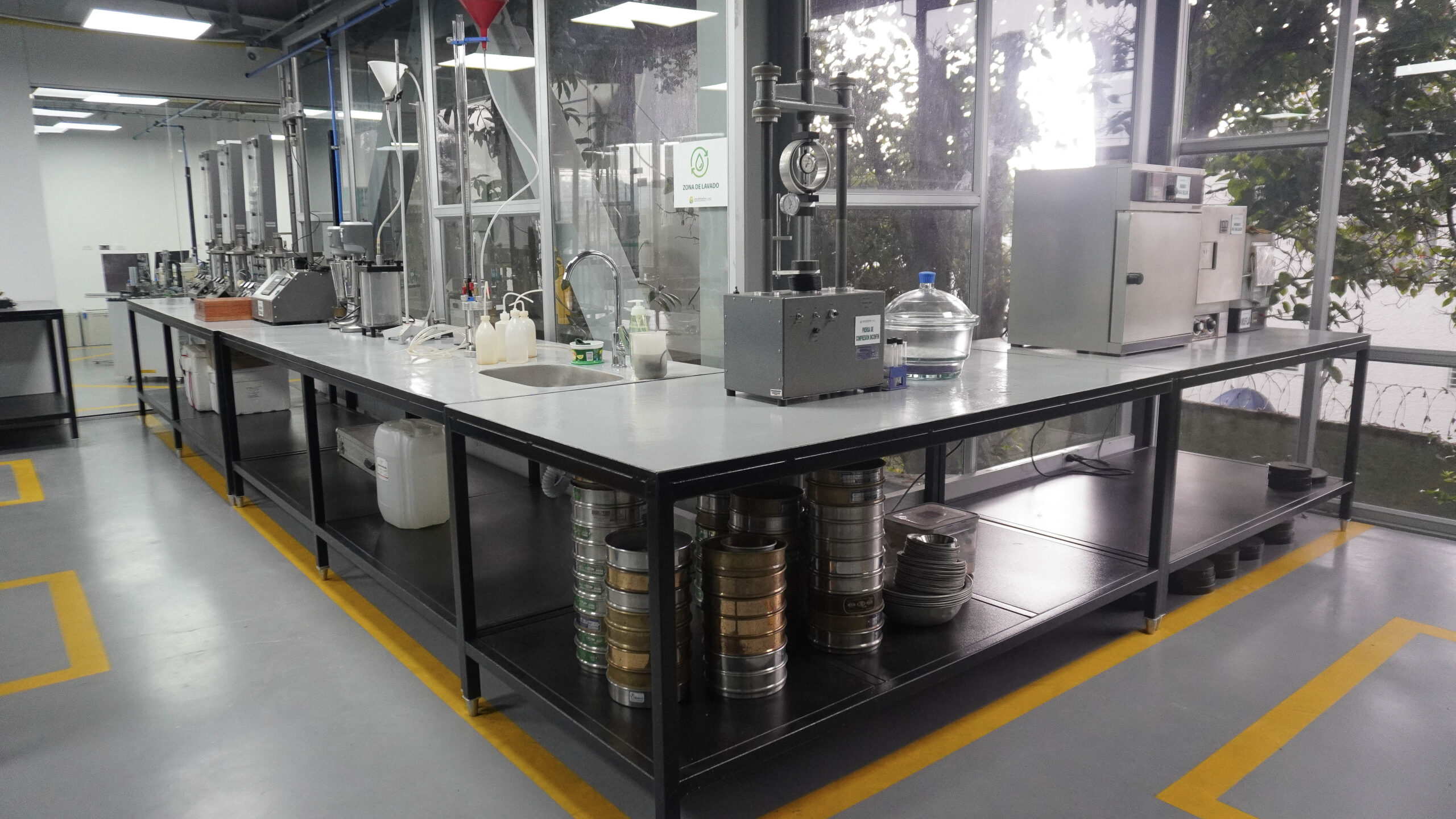
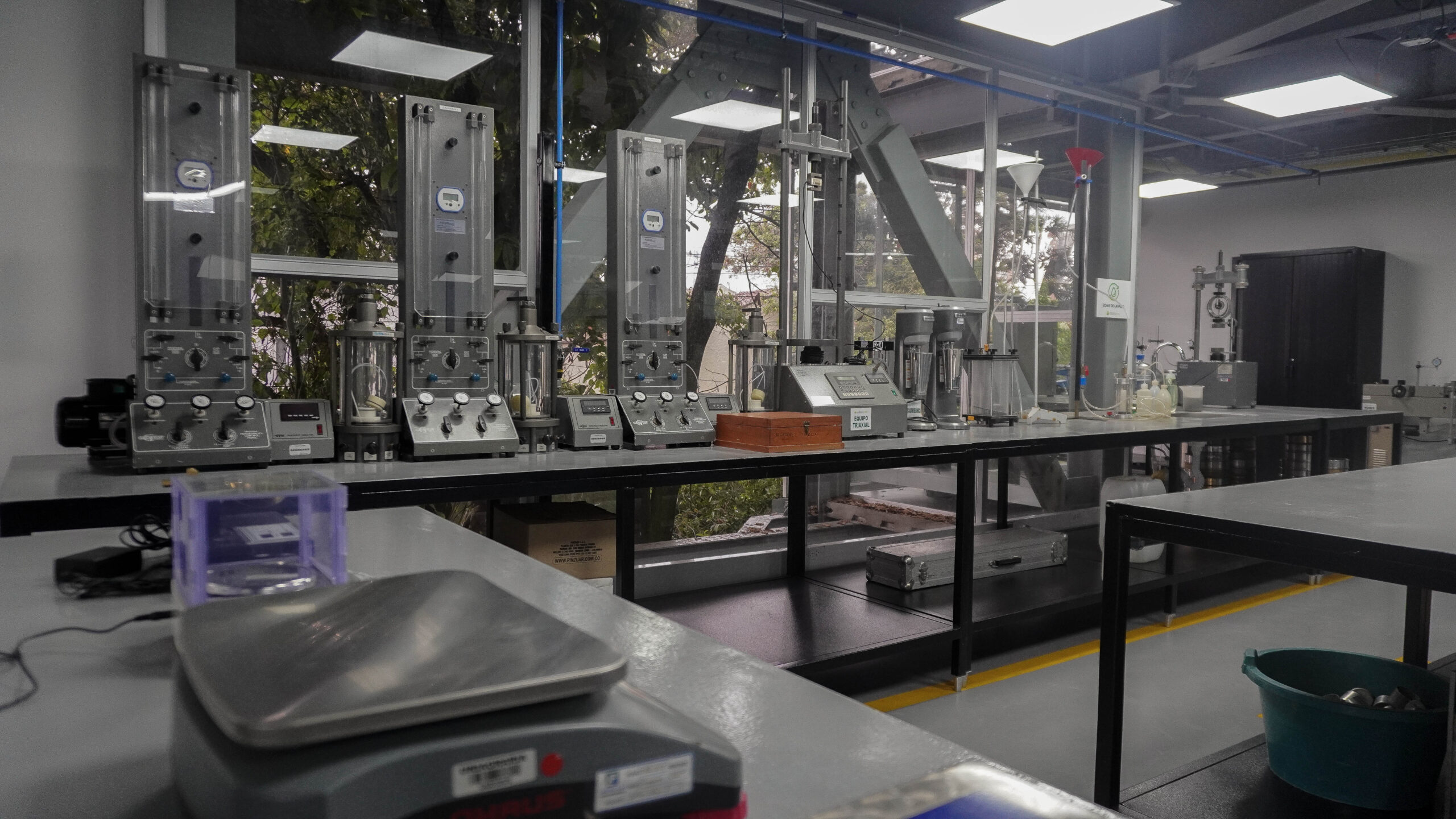
Tests were conducted on the behavior of soil and rocks. Has the equipment necessary to perform laboratory tests for the identification and classification of soils, as well as to determine the compressibility, strength, permeability and other properties of soils relevant to engineering problems.
With this knowledge, the student can design foundations to safe structures, slopes and embankments stable, retaining walls, excavations, and other works related to the soils. Enel lab can develop skills in the following practices:
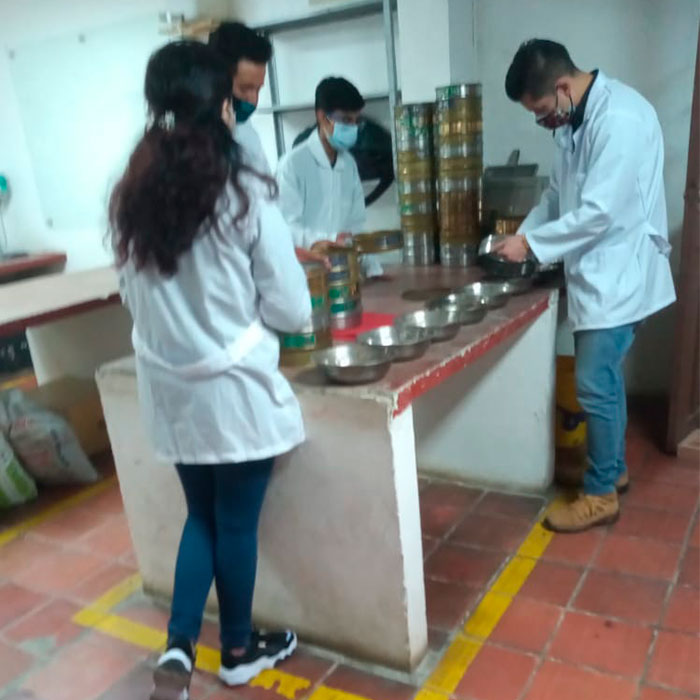
Classification of Soils, based on the determination of the limits of Atterberg, the sieve analysis, particle size distribution by hydrometer, relationships, volume and gravity.
Mechanical properties of soils, grounded in the determination of the characteristics of stress – strain of the soil, through the trials of Consolidation, direct Cut, Triaxial, relations unit weight– moisture and compressive, volume change, and desleimiento or wear of fine and compression inconfinada.
Hydraulics laboratory
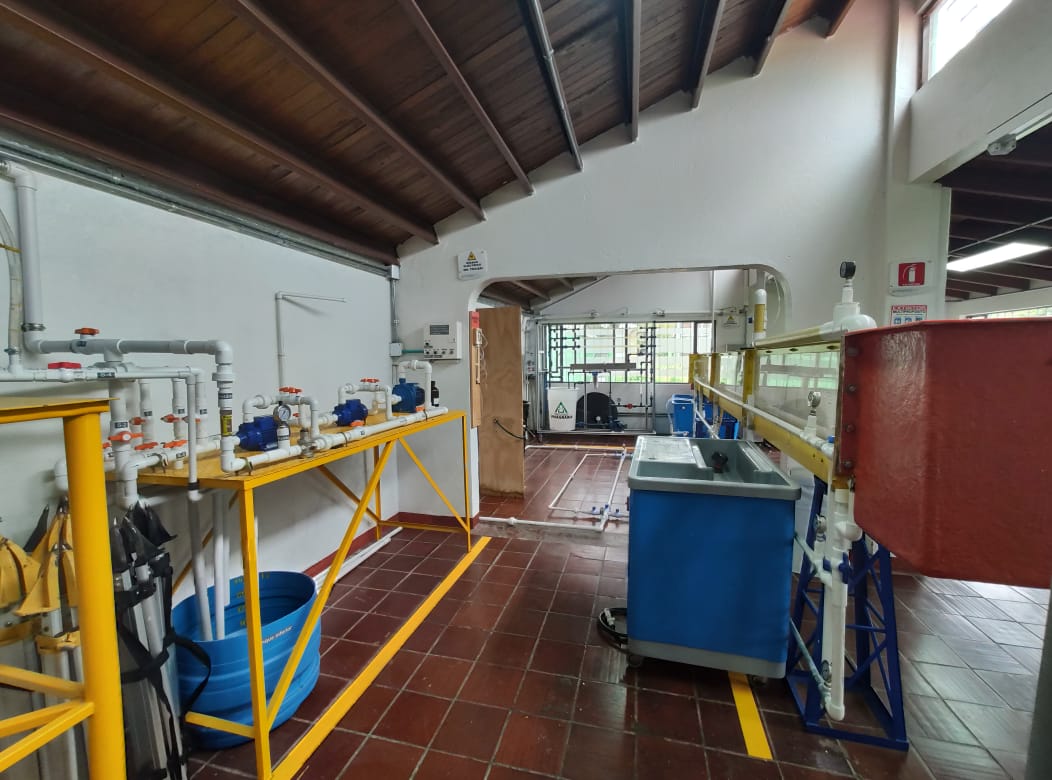
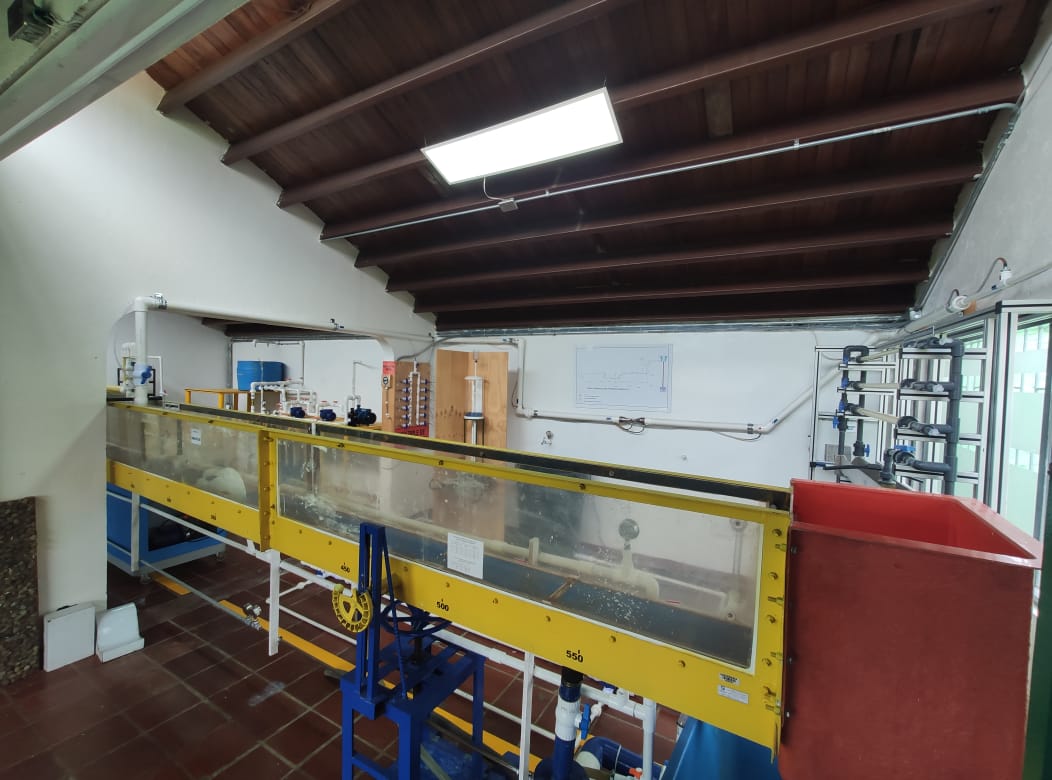
The laboratory of fluid mechanics and hydraulics allows the realization of hydrostatic testing fluids, in which can be done by study of capillarity, among others. In the section of hydraulic machines, carried out studies of loss of pressure, configuration of pumping equipment in series and in parallel, power generation in turbines, Pelton and Francis, a hydraulic system power (pumps, piping, valves, etc), a “test bench” (which may be a physical model or a test bench – a canal, a system of pipes, etc). In the laboratory of hydraulics is made practical in fluid mechanics, hydraulics of pipelines and canals.
Laboratory of Construction Materials
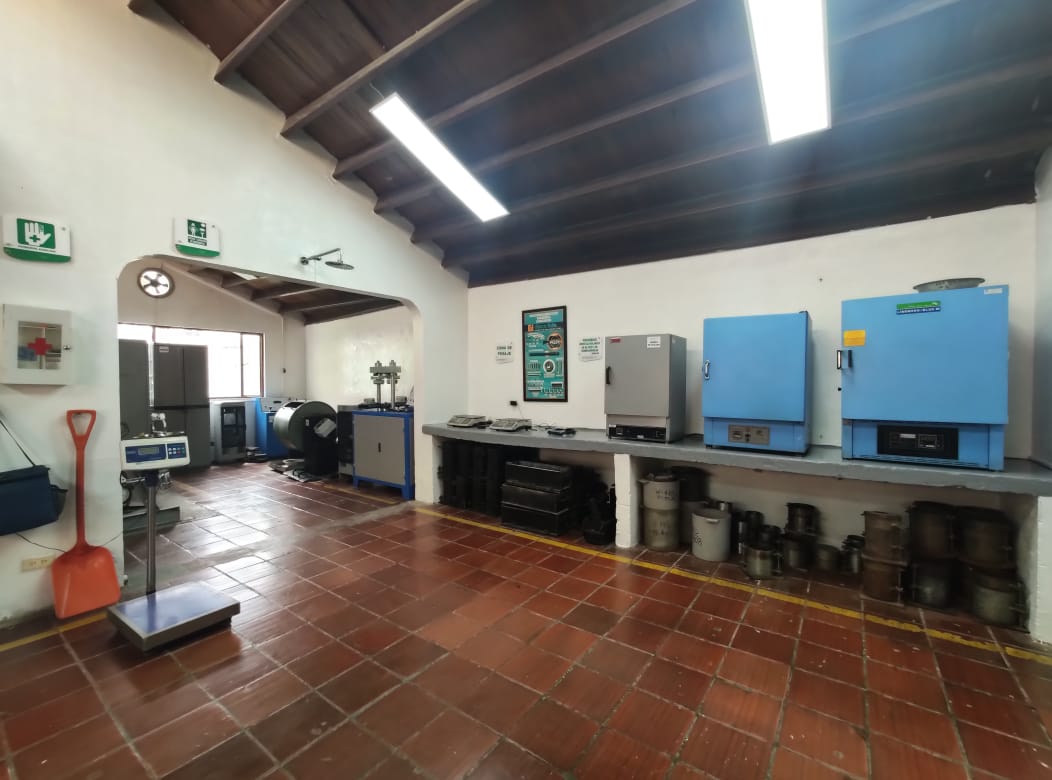
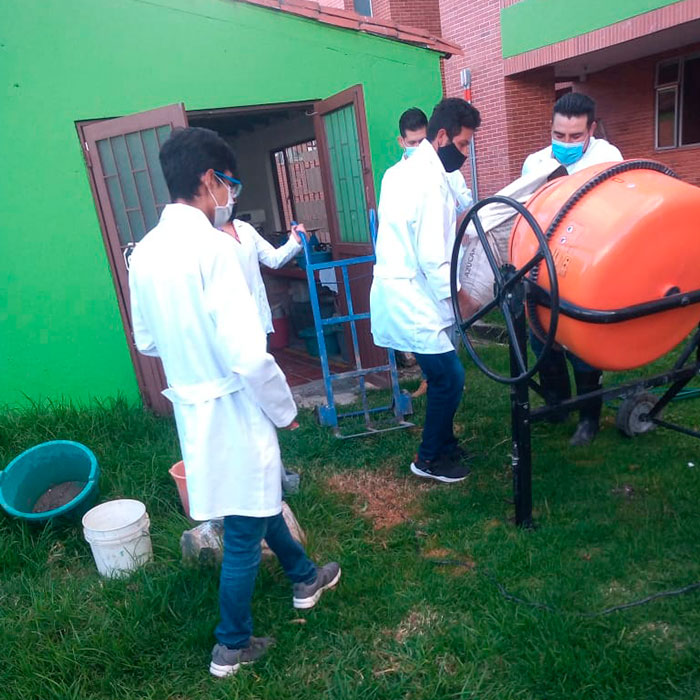
Analysis was performed physical-mechanical soil, aggregates and mixtures of concrete and structures, among others, using methodologies that are validated and with trained and competent staff, generate technically valid results. In the same way, it carries out its technical processes of trial, by applying a series of technical provisions documented and based on standards recognized techniques.
The student develops skills to perform the Characterization of aggregates: based on the identification of the following physical properties: specific gravity, moisture, absorption, index of flattening or elongation, unit weight, wear and tear. The Properties of the cement: specific gravity, setting time, fineness. And finally determine the properties of fresh concrete and hardened: Based on the determination of the workability by using the trial and settlement of the resistance to compression and bending by the rupture of specimens.
Laboratory of Floors
In this lab are performed assays that measure the properties of asphalts liquids and solids, the stability of asphalt mixtures, and the bearing capacity of the layers that make up the structure of a pavement flexible. In this context, the Laboratory of Pavements seeks to provide the university community with an environment conducive to the preparation of academic papers, projects, teaching and scientific-research works.
In the Laboratory the student is in the ability to perform various tests such as quality control materials for asphalt mixtures, characterization of all the constituents of the asphalt and specification of its physical and mechanical features. Account with the assistance of a qualified human resource and has the equipment and tools suitable for the characterization and evaluation of mechanical properties, dynamics, and hydraulics of soils, rocks, materials for roads, in general.
 ES
ES  EN
EN