Observatory of Agrarian Law
Who are we?
The Observatory of Agrarian Law (ODE) of the Foundation of the Agrarian University of Colombia is an instance of research, a division of the Faculty of law and Social Sciences, whose main objective is to monitor, analyse and disseminate information on laws, rules, jurisprudence, policy, and advocacy, in the realities of the agricultural sector in Colombia. This involves a constant monitoring of legislative changes, as well as an assessment of their impact on the reality of the field.
Objectives
- Generate specialized knowledge in Agrarian Law through research and critical analysis.
- Promote public debate and academic reflection on the challenges and prospects of Agricultural legislation in the colombian context.
- Contribute to the training of professionals and citizens in the field of Agrarian Law.
- Serve as a center of documentation and dissemination of relevant information on the Agrarian Law.
- Perform a detailed follow-up of court cases and administrative proceedings related to the agricultural sector, to assess the application of the laws and detect possible violations of rights.
- Projecting a position in relation to the incidence and construction of an Agrarian Law in Colombia and through the institutional presence in the high court, sector entities and agencies.
- Collection and generation of inputs in the construction of policies, plans, programs and projects.
- Establish agreements with related entities to strengthen the activity of the observatory.
Fields of Action
Clinical Legal:
The Legal Clinic “Agrarian Justice, and Environmental” is an instance of learning and practice which is attached to the Observatory of Agrarian Law and in collaboration with the legal office. Its main objective is to provide free legal assistance to people and rural communities and farmers on issues related to the agrarian law, while providing law students with practical experience in the resolution of real cases through strategic litigation.
The Legal Clinic "Gender Justice Rural" is an instance of learning and practice which is attached to the Observatory of Agrarian Law and in collaboration with the legal office. Its main objective is to provide free legal assistance to women and rural communities on issues related to Agricultural Law and the rights of women, while providing law students with practical experience in the resolution of real cases through the litigation strategy with a gender perspective.
Lines of Research:
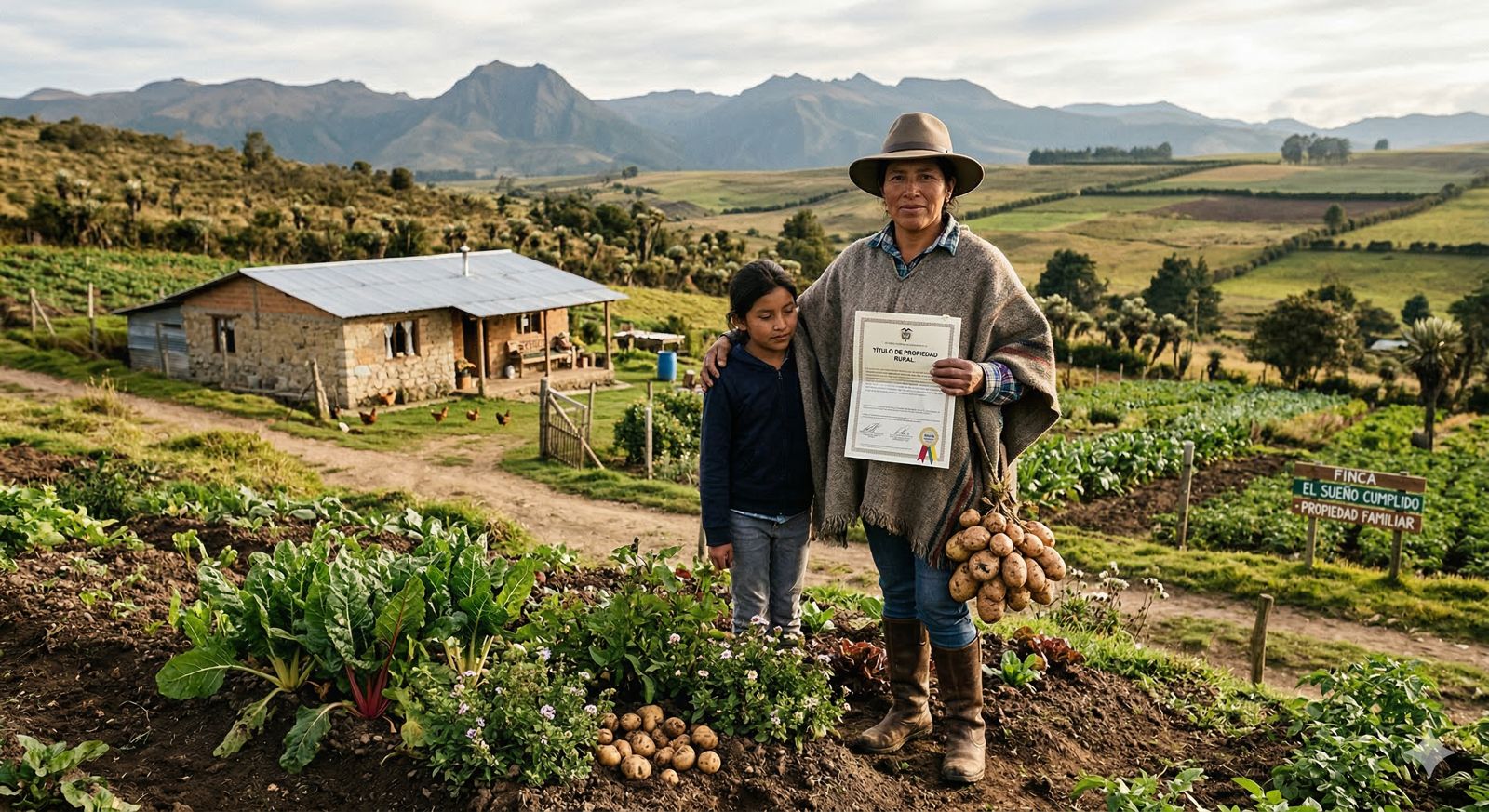
This line of research focuses on the analysis of the dynamics of possession and ownership of the land, examining the legal and social structures that shape. This includes the study of the formalization of the property, the disputes arising from the holding spot, and the impact of agricultural policies on the distribution of the land. It seeks to understand how the security of tenure of the land influences the rural development and social equity.
This line explores the mechanisms and processes for the resolution of disputes related to land, ranging from the traditional methods of conflict resolution to the formal court. We investigate the effectiveness of different approaches, the barriers to access to justice and strategies to promote peace and reconciliation in rural areas. The Jurisdiction of the Agrarian and Rural, is a fundamental piece in this line.
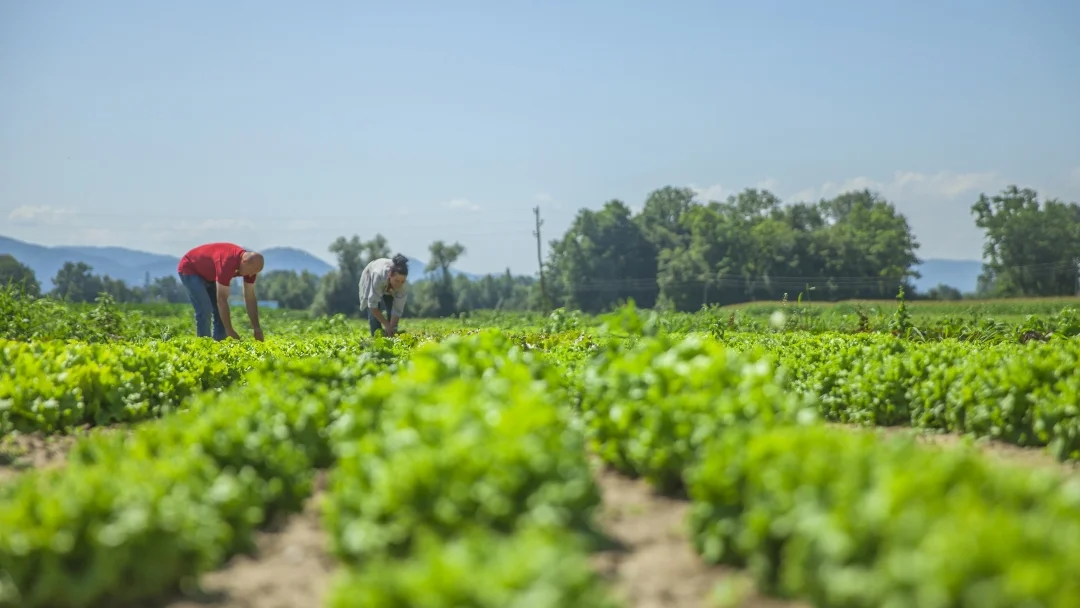
Focuses on the study of agricultural production systems that integrate ecological principles and the traditional knowledge of farmers. We analyze the agro-ecological practices, their contribution to the environmental sustainability and food security, and its role in the strengthening of the rural economy. The strengthening of this line reinforces the food security of the territories.
This line examines the relationship between the peasantry and the right to food, by analyzing the policies and programs that ensure access to sufficient food and nutritious food to rural communities. We investigate the role of the peasantry as a producer of food, the obstacles they face to ensure their own food security and of the general population, and strategies to strengthen local food systems.
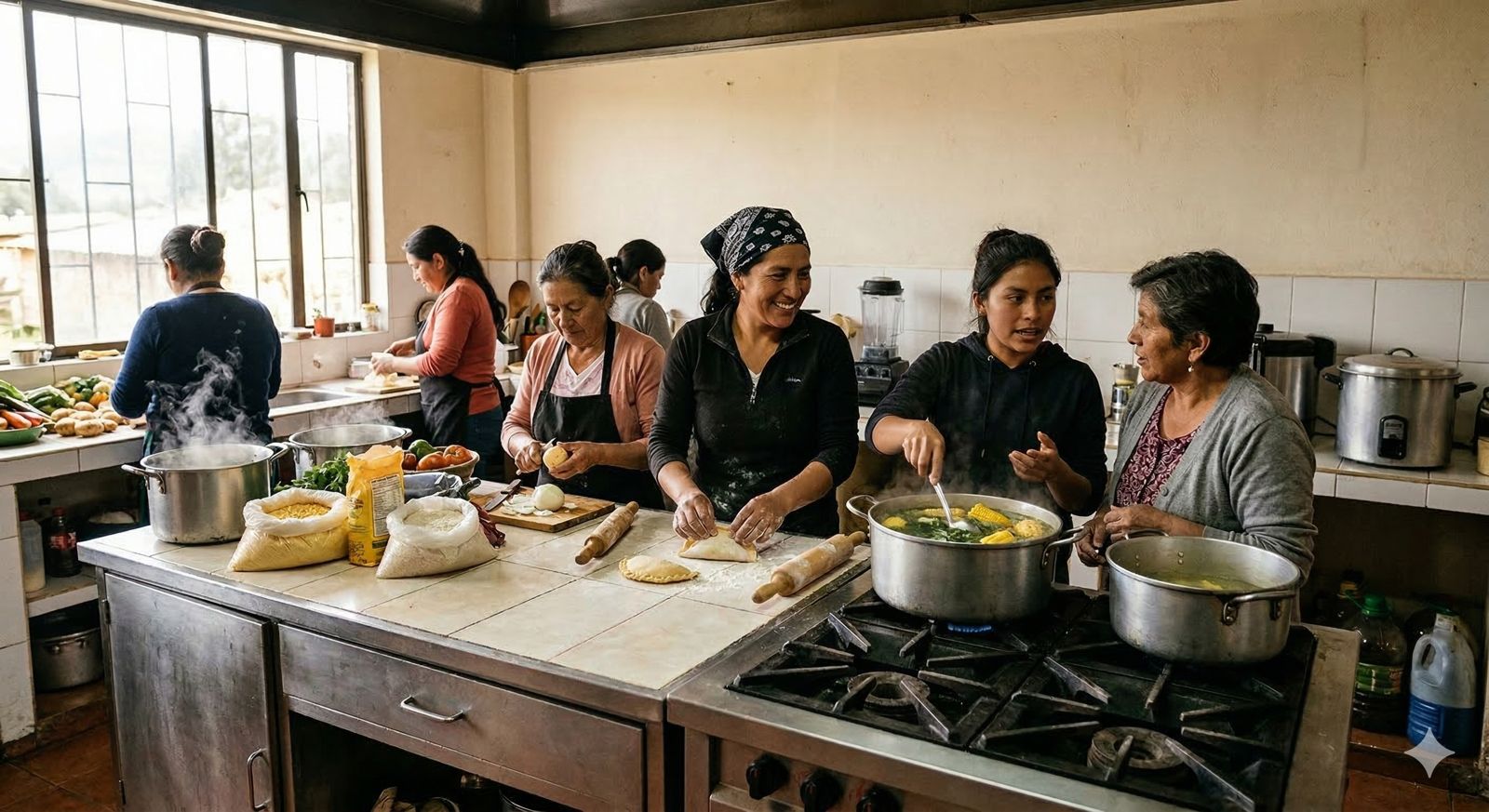
Focuses on the analysis of care work done by women in rural areas, both in the domestic and agricultural production. We investigate the recognition and redistribution of care work, their impact on gender equality and rural development, and the policies necessary to ensure that the rights of rural women.
This line investigates how land reform can contribute to the construction of food systems sovereigns, where communities have the control over the production, distribution and consumption of food. We analyze the agrarian reform policies that promote small-scale agriculture, agro-ecology, and the local markets, and their impact on food security, social equity and environmental sustainability.
What we do

Research
We conducted rigorous studies on key topics in the Agrarian Law, by using a multidisciplinary approach and participatory. Our methodology combines analysis of legal documents, surveys, interviews, case studies, and collaboration with key players in the sector. We are currently developing the following research projects:
- “The right to food and the peasantry”.
- “The right to the care and the peasant women”.
- “Food sovereignty and the reforma rural integral”.
- Justicia Agraria, Participación Campesina y Transformaciones del Territorio Rural.
- Derecho a la Alimentación, Justicia Ambiental y Soberanía Alimentaria en Contextos de Crisis Climática.
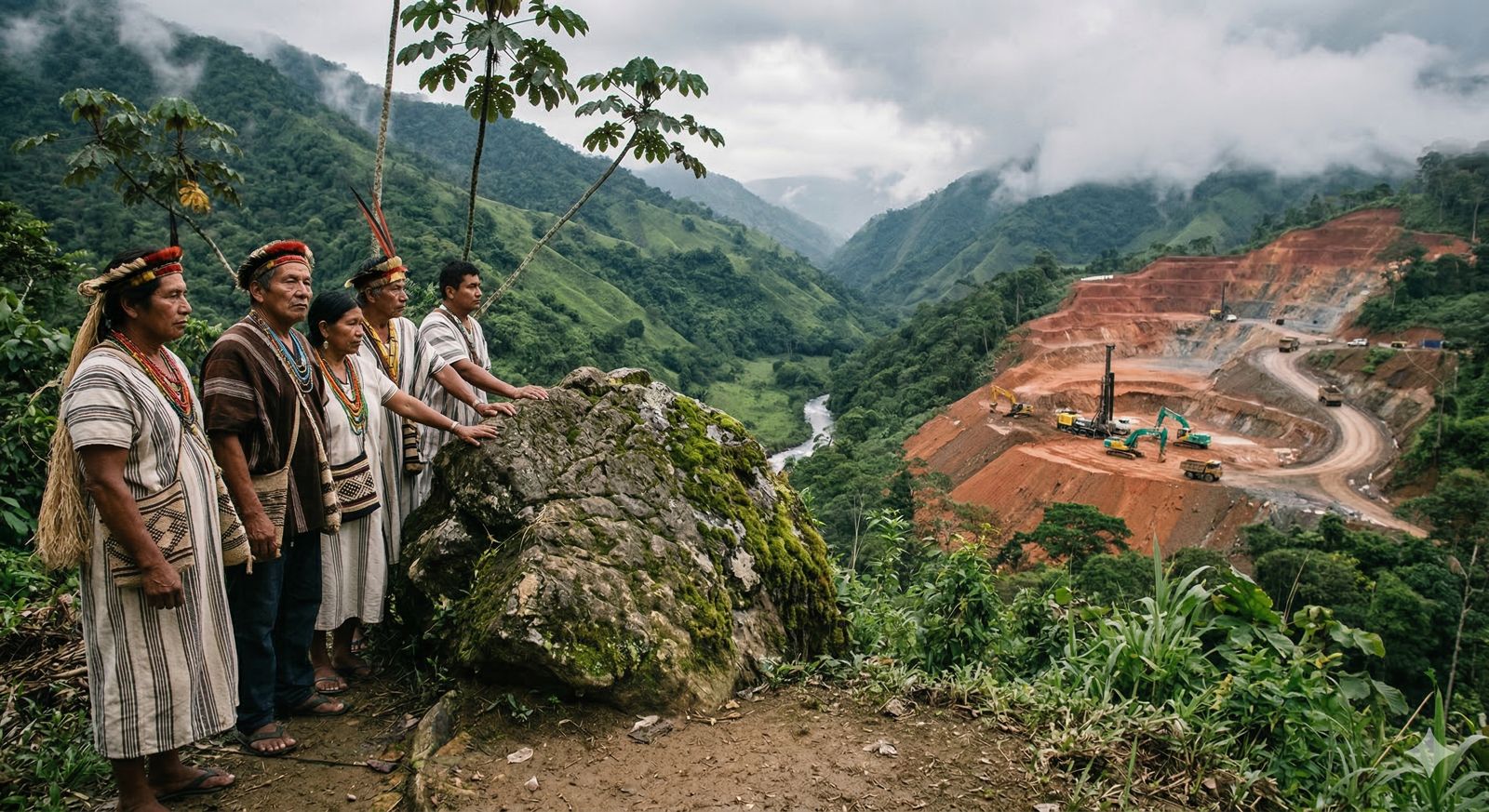
- Consulta Previa y Consulta Popular en Clave Campesina: Participación, Territorio y Garantías Democráticas.
Methodology:
La metodología del Observatorio de Derecho Agrario se fundamenta en enfoques interdisciplinarios, participativos y territoriales, orientados a comprender de manera integral la realidad rural colombiana, los conflictos por la tierra, la protección de los derechos campesinos y las transformaciones del ordenamiento jurídico agrario. Esta metodología se estructura en cinco componentes interrelacionados:

Como resultado preliminar dentro de la formulación del modelo agroindustrial y campesino MACUÁ y producto de discusiones de los sectores académico, empresarial, lideres gremiales se identifican las siguientes líneas de acción de MACUÁ:
- Un bienestar y una salud: Calidad de vida de los sujetos y comunidades rurales y agrarias.
- Modelo socioeconómico y de innovación para el sector agrario y rural
- Procesos formativos en el territorio. Una educación.
- Energías limpias, eficiencia y transición energética para el sector rural y agrario.
- Normalización Técnica- modelos agroindustrial y campesino.
- Soberanía, seguridad y autonomía alimentaria.
- Uso racional del medio ambiente.
- Producción sostenible.
- Tecnología Industria 4.0 y 5.0 (Tecnologías 4.0, IA, internet de las cosas).
- Protección jurídica, social y económica del sector rural y agrario.
- Infraestructura para la vida.
- Familia rural y felicidad.
- Arte, cultura, lúdicas rurales.
Publications and Multimedia Content
- Access to our articles of research, policy analysis, and other resources related to the Agrarian Law.
- Research articles in indexed journals.
- Opinion articles and news.
- Radio broadcasts and podcasts.
View all publications
Blog del Observatorio de Derecho Agrario
Events
- Take part in our seminars, workshops and spaces for conversation on agrarian issues.
- Field trips to dive in the agricultural sector and rural areas.
- Exhibitions and cultural events related to the history of peasant and indigenous.
- Spaces of conversation with strategic partners: office of the Ombudsman and Cultural Foundation Flat Inside.

Fotografías de vivencias en el Observatorio de Derecho Agrario
Meet the team of researchers, analysts and communicators
that make up the Observatory of Agrarian Law.

Dr. Ingrid Quintero
Director of the Law Program

Dr. Leni Murcia Naranjo
Teacher leader of the observatory

Dr. Carolina Zúñiga
Full-Time Teaching
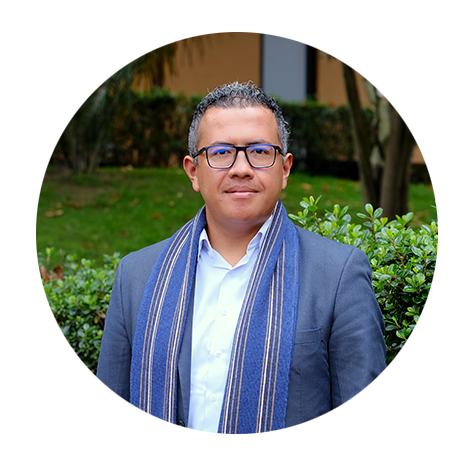
Dr. Leonardo Vela
Director, Legal Office
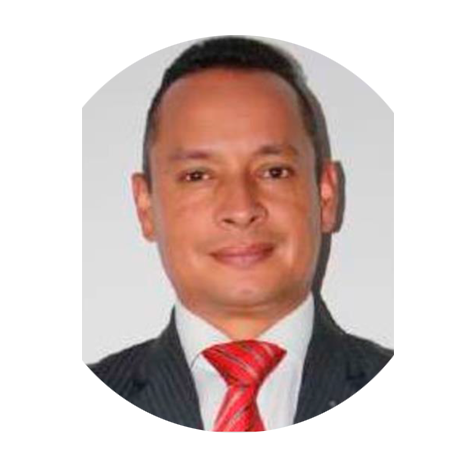
Dr. John Virgil Mosquera
Coordinator of the research program of Law
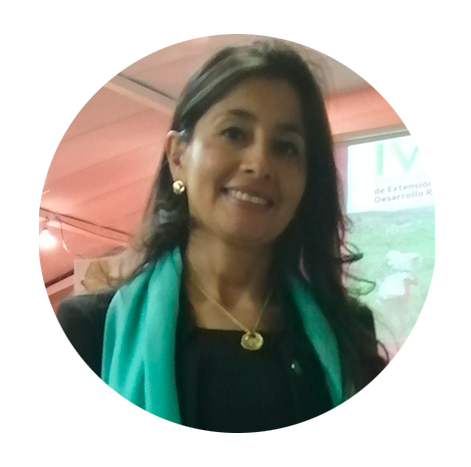
Dr. Maria Claudia Diaz Rosas
Outreach coordinator program Right

Location: Calle 170 # 54a – 10, Bogotá